

You’re not alone. For many women navigating the transformative phase of menopause, subtle shifts in joint comfort can become a significant concern, often accompanied by other hallmark symptoms such as hot flushes, mood swings, and skin changes. This experience is not merely a figment of imagination; it is a profound biological reality. The intricate hormonal shifts that define menopause trigger a cascade of internal changes, leading to increased inflammation, stiffness, and persistent joint discomfort.
Recent scientific work — including the detailed review by Wright and colleagues (2024), which explored the musculoskeletal syndrome of menopause — has clarified how declining estrogen can directly impact joint health, bone density, and connective tissue integrity. These insights help bridge the gap between lived experience and biological mechanism, reinforcing that menopause-related joint pain is both measurable and modifiable.

Understanding what genuinely happens within the body during this period is the first step towards a proactive approach to Nurture Aging™ – one that focuses on embracing your body with understanding and partnering with its unique biology, grounded in rigorous science. This isn’t about fighting the natural progression of time; it’s about cultivating intrinsic health and vitality from within. Addressing menopausal symptoms proactively may offer significant health benefits, including improved mood, skin health, and overall well-being.
While the journey through menopause is unique for every woman, science offers verifiable insights into supporting joint health and managing symptoms during this phase. This journal delves into the most effective, evidence-backed nutritional strategies that can gently yet powerfully support your body’s foundational structures, helping you cultivate comfort and enduring well-being.
What Causes Joint Pain During Menopause?
While supplements can offer relief, it’s important to first understand why joint pain becomes more common during menopause. A combination of hormonal changes, ageing processes, and shifts in body composition can all contribute to increased inflammation, reduced joint cushioning, and greater discomfort. Declining oestrogen levels are a key factor in joint pain during menopause, as oestrogen plays a crucial role in maintaining bone health, supporting joint function, and reducing inflammation. Let’s take a closer look at the key factors involved. [Wright et al., 2024]
Hormonal Fluctuations and Their Effects
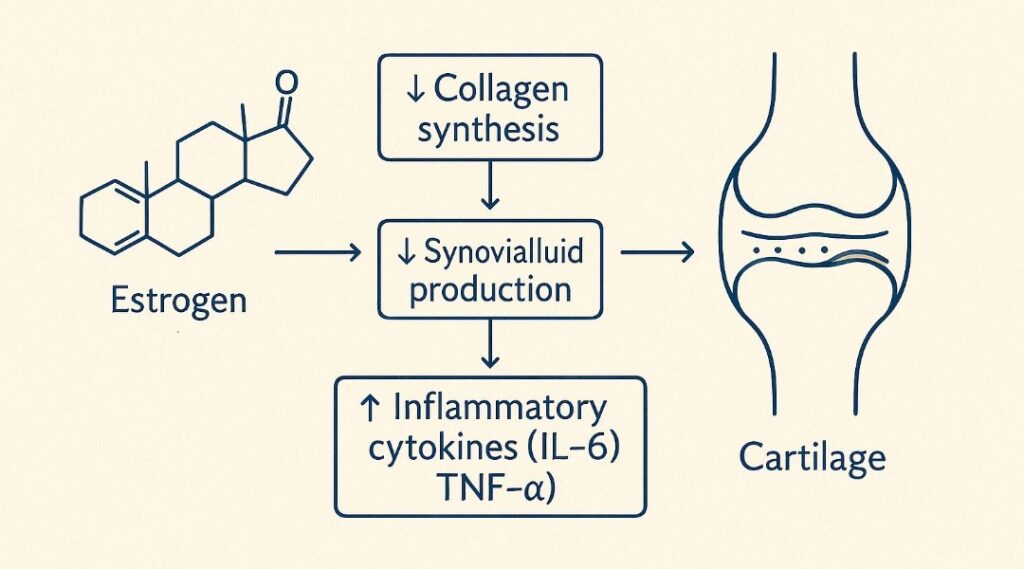
Estrogen plays a pivotal role in maintaining joint and cartilage health. Its decline during menopause leads to increased inflammation, diminished collagen synthesis, and reduced lubrication in joints. These factors contribute to joint pain and stiffness in the joints.
Aging and Joint Health
Aging further compounds joint-related challenges. Reduced muscle mass and strength, known as sarcopenia, often accompany menopause, destabilizing joints and increasing susceptibility to injury.
Moreover, the cushioning in joints begins to thin, and the fluid that keeps your joints lubricated may decrease. Combined with the hormonal changes of menopause, this can make joint pain more noticeable, especially in areas like the knees and hips. [Wright et al., 2024]
Weight Gain and Its Impact on Joints
Weight gain, which is common during menopause, places additional mechanical stress on weight-bearing joints.
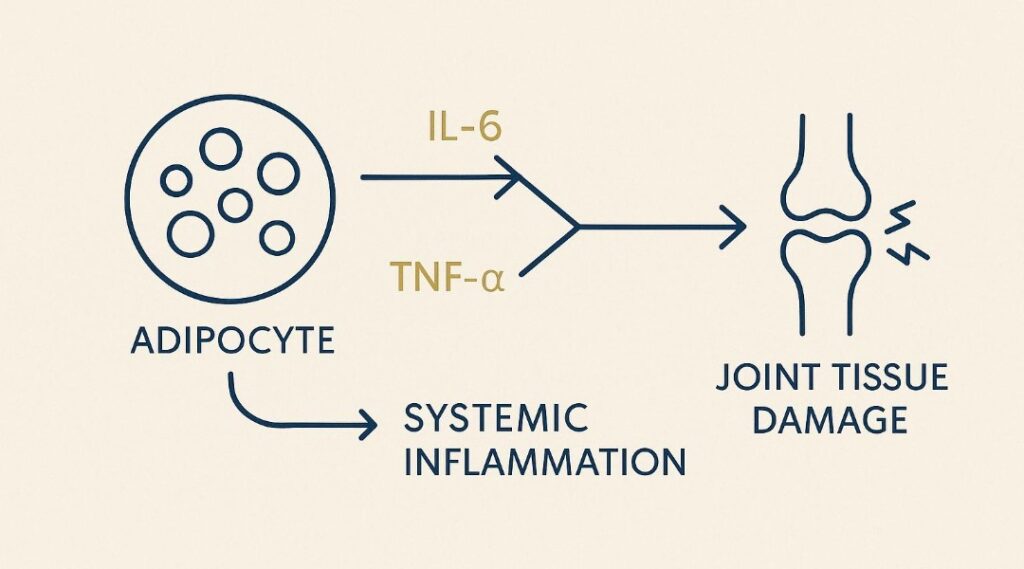
In cases of extreme weight gain, like obesity, the physical burden increases. This also leads to systemic inflammation. This happens because fat tissue releases tiny signaling proteins called pro-inflammatory cytokines.
These cytokines act as messengers, signaling the body to initiate an inflammatory response. While inflammation helps the body heal, too many cytokines over time can cause ongoing inflammation, which worsens joint pain and damages cartilage. [Wright et al., 2024]
Decreased Muscle Mass and Joint Pain
During menopause, there is a notable loss of both muscle mass and bone mass, primarily due to the decline in estrogen levels. This loss can reduce joint stability, leaving them more vulnerable to wear and tear. Research underscores the importance of maintaining lean muscle to support joint function and alleviate pain.
Symptoms of Menopausal Joint Pain
Menopausal joint pain typically manifests as stiffness, swelling, and reduced range of motion, particularly in the morning or after prolonged inactivity. Commonly affected areas include the knees, hips, hands, and lower back. These aches and pains can vary in intensity, often worsening with weight gain, inactivity, or underlying inflammatory conditions like osteoarthritis, a condition where bones become brittle and prone to fractures.
What Makes Menopausal Joint Pain Worse?
Symptoms such as hot flashes, sleep disturbances, and mood changes indirectly intensify joint discomfort. When estrogen levels drop, it disrupts the part of the brain responsible for regulating body temperature. Here’s how they interact.
Hot Flashes, Sleep Disturbances, and Inflammation
When estrogen levels drop, it disrupts the part of the brain responsible for regulating body temperature.
This leads to rapid dilation of blood vessels, causing sudden heat surges (hot flashes) and night sweats that disturb sleep patterns.
Poor sleep elevates cortisol — the body’s primary stress hormone — which drives up systemic inflammation and breaks down collagen, a key structural protein supporting joints.
The combined effects of inflammation and cortisol slow the body’s natural healing processes, making joints more vulnerable to damage and pain.
Mood Changes, Hormones, and Joint Pain
Mood swings are another common symptom during menopause, largely driven by fluctuations in estrogen and progesterone levels.
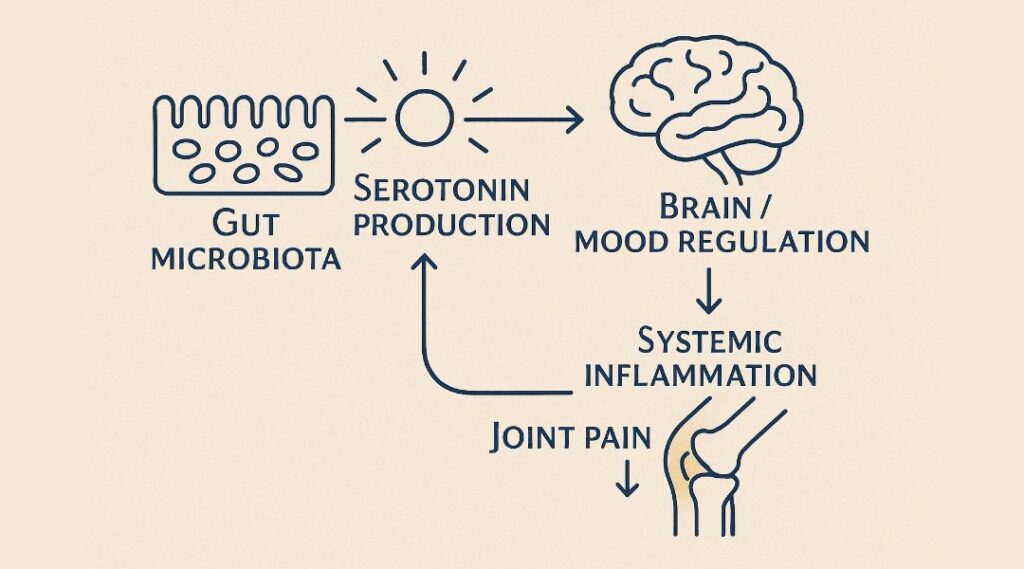
These hormonal changes influence neurotransmitters like serotonin, which not only regulate mood but also impact inflammation pathways.
A disrupted emotional state can, therefore, further amplify inflammatory processes that affect joint health.
The Gut–Brain Axis: Gut Health Influences Inflammation
Emerging evidence highlights the strong connection between gut health, serotonin production, and systemic inflammation.
Since a significant proportion of the body’s serotonin is produced in the gut, maintaining a healthy gut microbiome can help regulate mood and support lower inflammation levels — indirectly benefiting joint comfort.
Learn more about serotonin and how gut health can impact its production in our dedicated journal The Gut-Brain Connection: How Your Microbiome Talks to Your Mind.
Natural Ways to Manage Menopausal Joint Pain
To nurture your joints and promote overall well-being during menopause, consider incorporating these scientifically supported supplements and nutrients into your daily routine. Some women may need extra support from supplements when a healthy diet alone isn’t enough to manage menopause-related issues. Important vitamins, such as B vitamins, play a key role in supporting energy during menopause. Nutrients like zinc support the immune system, which is especially important during menopause. Hormone replacement therapy (HRT) is another option for managing menopause symptoms, but it should always be discussed with a healthcare professional. Women taking HRT should consult their doctor before combining it with supplements.
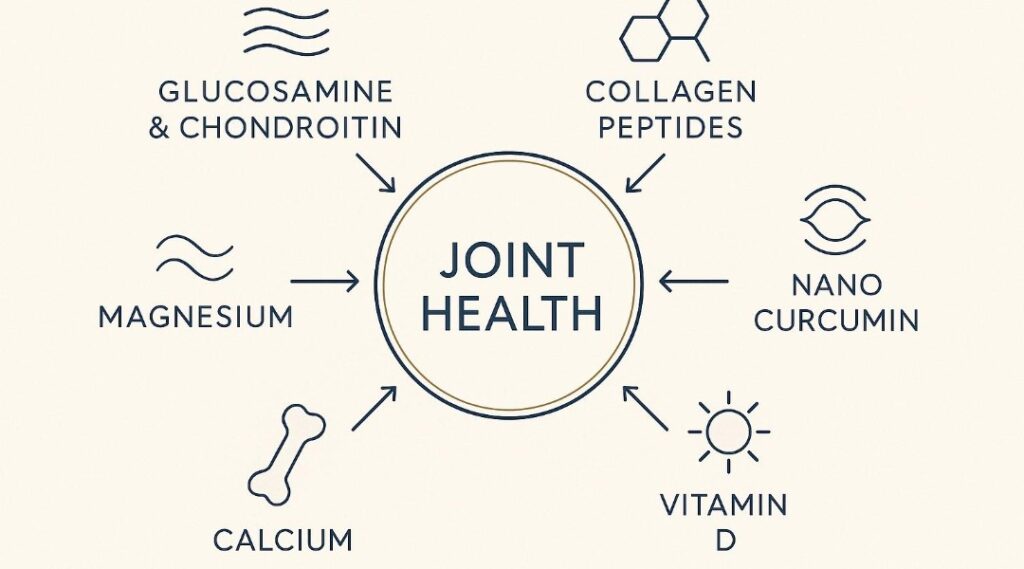
Best Supplements for Menopause Joint Pain Relief
- Glucosamine and Chondroitin Sulfate: These supplements provide the body with the building blocks to maintain healthy cartilage and joint fluid, helping to reduce menopause joint pain and inflammation and improve joint mobility. [Jerosch, 2011]
- Collagen Peptides: Collagen is the main protein in connective tissues, including cartilage. Collagen peptides, such as hydrolyzed bovine collagen powder, can support menopausal women. Early research show that they can support muscle growth and improve muscle mass. Moreover, collagen can reduce inflammation—key factors in managing joint pain during menopause.
- Nano Curcumin: Curcumin, the active compound in turmeric, is known for its potent anti-inflammatory and antioxidant properties. Nano-curcumin, a highly absorbable form, enhances delivery to reduce inflammation and pain effectively.
- Vitamin D: Crucial for calcium absorption and overall bone health. Inadequate levels of vitamin D can lead to weaker bones and may contribute to joint pain. Supplementing with vitamin D may improve symptoms by reducing bone loss in postmenopausal women, particularly when combined with Vitamin K [Rusu et al., 2024].
- Calcium: Essential for maintaining bone strength and preventing osteoporosis. During menopause, calcium supplementation can help offset bone density loss caused by declining estrogen levels.
- Magnesium: This mineral supports muscle relaxation and nerve function, which can indirectly reduce joint stiffness and pain. Magnesium also helps maintain strong bones by supporting calcium absorption. Studies suggest magnesium supplementation can enhance vitamin D levels.
You can learn more about the collagen’s impact on overall health in our dedicated article .
Dietary Considerations
- Anti-inflammatory and Antioxidant Foods: Foods such as berries, vegetables and leafy greens, nuts, seeds, and herbs contain anti-inflammatory and antioxidant compounds that combat inflammation and oxidative stress. A diet rich in these foods can help manage inflammation, protect cells from damage, and support the body’s natural defense mechanisms. [Gonçalves et al., 2024]
Vitamin C, an important antioxidant, is especially abundant in citrus fruits and plays a key role in supporting immune health and collagen production. - Proteins: Lean meats, fish, and eggs are excellent sources of protein that support collagen synthesis and joint health. Plant based proteins, such as beans, lentils, and tofu, also provide essential amino acids and support collagen production. You can read more about How to Naturally Promote Collagen Production here.
- Whole Grains: Foods such as brown rice and oats, are excellent sources of fiber and other nutrients. Fiber helps regulate blood sugar levels, promotes healthy digestion, and supports weight management, easing stress on joints. Fiber also promotes a healthy gut microbiome, which plays a crucial role in managing inflammation. [Gonçalves et al., 2024]
- Omega-3 Fatty Acids: Found in sources like fish oil, flaxseed, and walnuts, omega-3s are renowned for their anti-inflammatory properties. Some studies indicate that combining omega-3 fatty acids with glucosamine may provide further pain relief and improve joint function. [Bafkar et al., 2024], [Jerosch, 2011].
Lifestyle Changes to Manage Joint Pain
- Exercise and Joint Health: Regular, low-impact exercises such as swimming, yoga, and walking enhance joint mobility and reduce stiffness. Resistance training strengthens surrounding muscles, providing additional support to joints.
- Maintaining a Healthy Weight: Weight management reduces mechanical stress on joints and mitigates systemic inflammation. Combining a balanced diet with regular physical activity is key to achieving and sustaining a healthy weight.
- Stress Management Techniques: Mindfulness practices, such as meditation and deep breathing, lower cortisol levels. This can reduce inflammation and improve pain perception. These practices also enhance overall mental well-being, which is closely linked to physical health.
Choosing the Right Supplement for You
Menopause presents unique challenges to joint health, but it also offers an opportunity to embrace a new narrative of vitality. By understanding the interplay of hormones, lifestyle, and nutrition, women can take proactive steps to support mobility, comfort, enduring radiance and quality of life during this transformative phase. This holistic approach aligns with the Japanese concept of Konenki (更年期), emphasizing balance and resilience during menopause.
Be first to try our evidence-built formulations.
Collagen Cofactor Complex + Cellular Triad Glutathione Complex.
No noise. No guesswork. Just biologically honest design.
Frequently Asked Questions (FAQs)
Hormonal changes, particularly the decline in oestrogen, can increase inflammation and reduce collagen production. This leads to joint stiffness, discomfort, and decreased flexibility — especially in the knees, hips, and lower back.
Results vary, but many women report noticeable improvement in joint flexibility and reduced pain within 4 to 12 weeks of consistent use. Collagen and curcumin may take longer for full effects as they build up in the body over time.
There’s no one-size-fits-all answer. However, hydrolysed collagen, curcumin (especially nano-formulated), magnesium, and vitamin D are often recommended together for a holistic anti-inflammatory and joint-supportive effect.
Absolutely. In addition to supplements, regular low-impact exercise (like swimming or yoga), a nutrient-rich anti-inflammatory diet, stress reduction, and maintaining a healthy weight are essential for joint relief during menopause.