
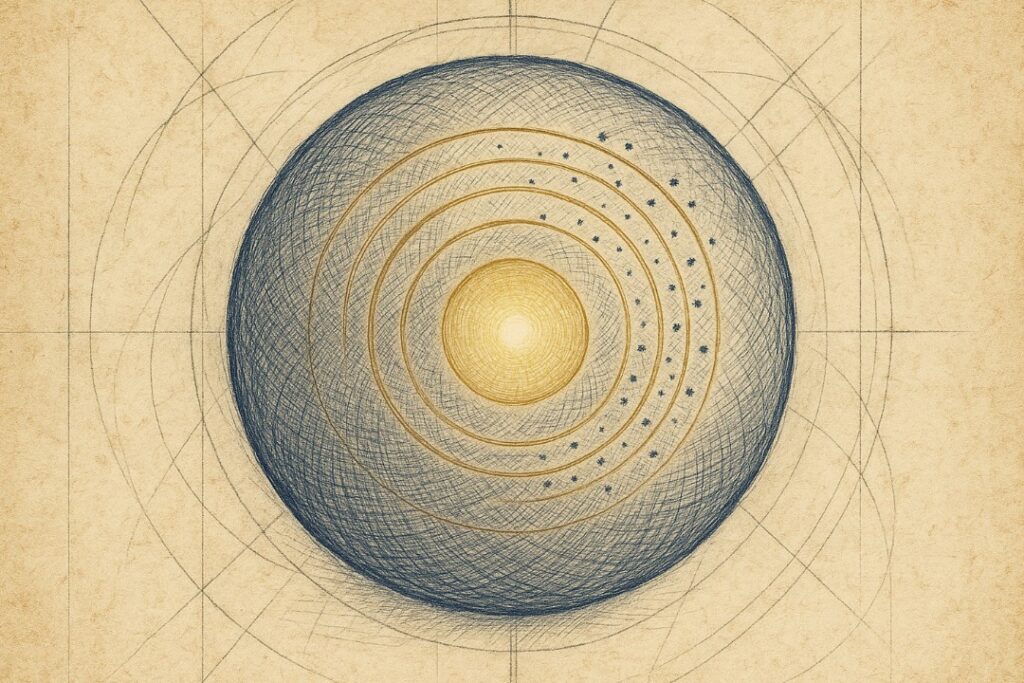

Even if you don’t see it, oxidative stress is working quietly behind the scenes — in your cells, your skin, your internal repair systems. Total Antioxidant Capacity (TAC) is the scientific lens through which you can see how strong your internal defence network really is. Think of TAC as the cumulative score of every antioxidant in your body — the guardians built in and the reinforcements you bring in. It’s not just a lab metric; it’s a measure of your resilience to daily cellular sparks. TAC reflects the ability of biological systems to maintain redox status and prevent oxidative damage.
How Resilient Is Your Redox System?
Take a 2-minute assessment to evaluate your antioxidant balance and systemic oxidative load.
TAC 101: Endogenous vs. Exogenous Antioxidants
Your TAC is powered by two complementary sources:
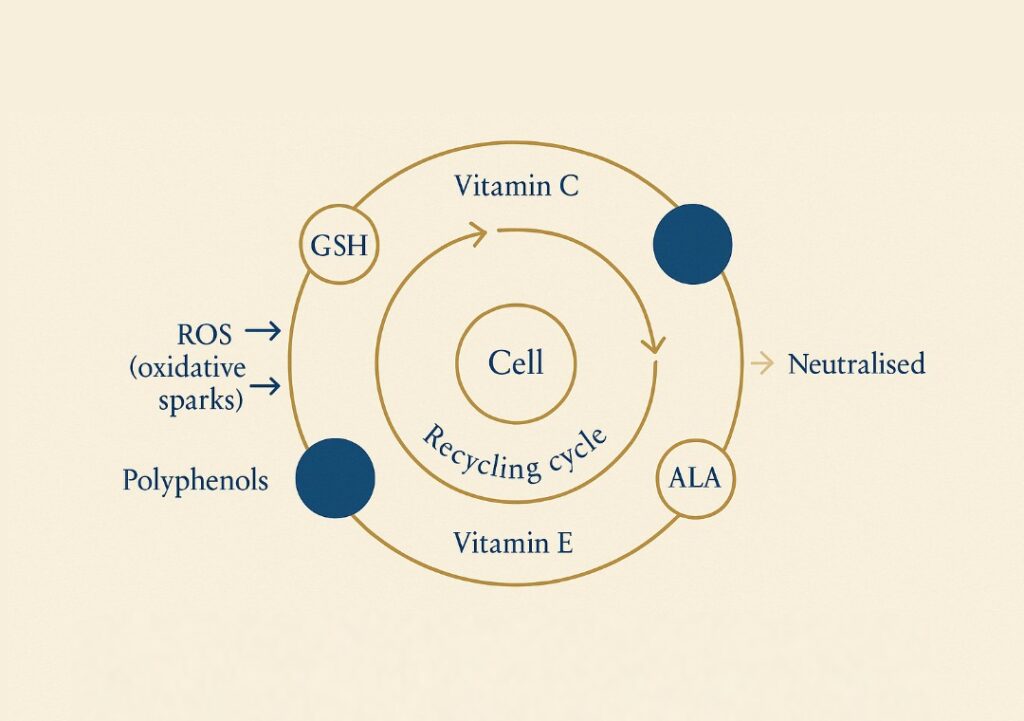
- Endogenous antioxidants are your in-house defenders — molecules your own cells produce. Chief among them is glutathione (GSH ↔ GSSG cycle), which continuously recycles itself to absorb and neutralize harmful oxidants. Enzymes like superoxide dismutase (SOD) and catalase, which are key antioxidant enzymes, patrol tissues, turning dangerous free radicals into safer by-products (Silvestrini et al., 2023).
- Exogenous antioxidants come from what you eat: vitamin C, vitamin E, carotenoids, and an array of polyphenols (e.g. flavonoids, anthocyanins). Think of them as reinforcements you deploy from the outside [Sadowska-Bartosz & Bartosz, 2022].
When you combine the strength of your internal system with what your diet contributes, you define your TAC. TAC reflects the sum of individual antioxidants from both endogenous and exogenous sources. But the internal system is foundational — if your glutathione cycle is weak, even a rich diet can only carry you so far.
How Scientists Test Antioxidant Power — and Why That Matters for Food Choices
When you hear claims that certain foods have high “antioxidant capacity,” the idea originates from measurable science. In laboratories, researchers use Total Antioxidant Capacity (TAC) assays — methods such as ORAC, DPPH, FRAP, TEAC, and CUPRAC — to test how effectively a compound can neutralise oxidative reactions [Giustarini et al., 2023; Silvestrini et al., 2023].
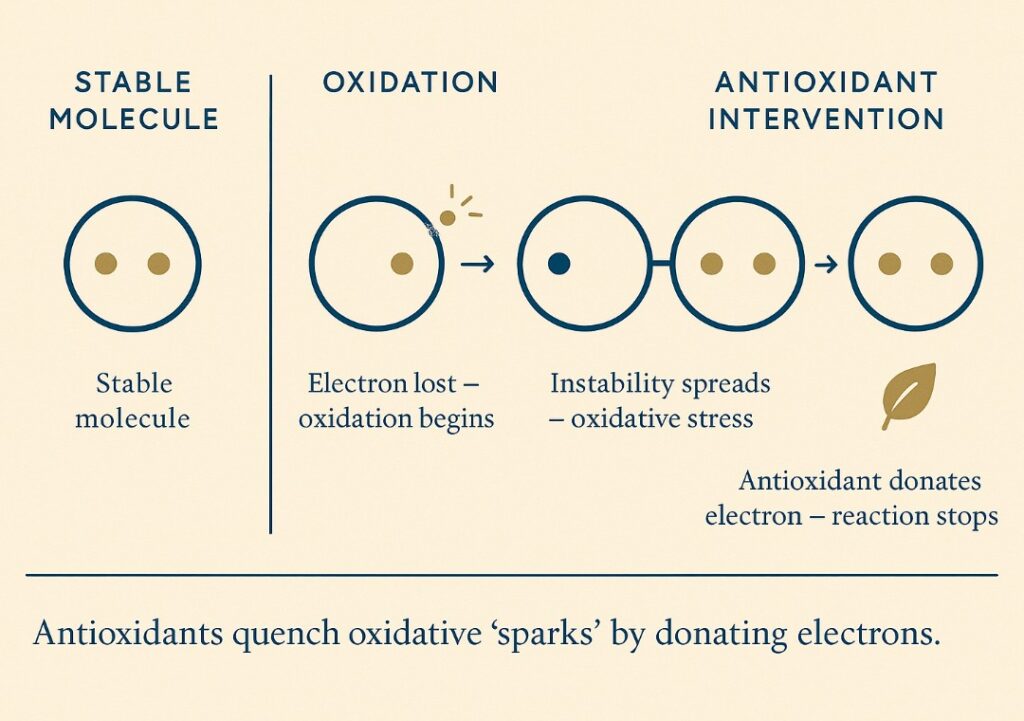
Think of oxidation as the slow “rusting” of our biology: electrons are stripped from molecules, leaving behind instability that spreads through tissues. TAC assays measure how readily different foods can donate replacement electrons — a kind of molecular stabilisation that stops the reaction before damage propagates.
Polyphenol-rich foods such as blueberries, pomegranate, and green tea consistently show high scores because their pigments act like reservoirs of mobile electrons, able to quench oxidative sparks and then recycle themselves [Sadowska-Bartosz & Bartosz, 2022].
Refined foods like white bread, by contrast, have been stripped of these natural defences. Without those polyphenols or micronutrient cofactors, there’s little capacity to interrupt the oxidative chain — leaving cells and skin more exposed to daily stress.
You can read more about antioxidants in pur dedicated journal (What Are Antioxidants? The Science of Oral Antioxidants for Skin and Overall Vitality)
The Master Antioxidant: Glutathione’s Central Role
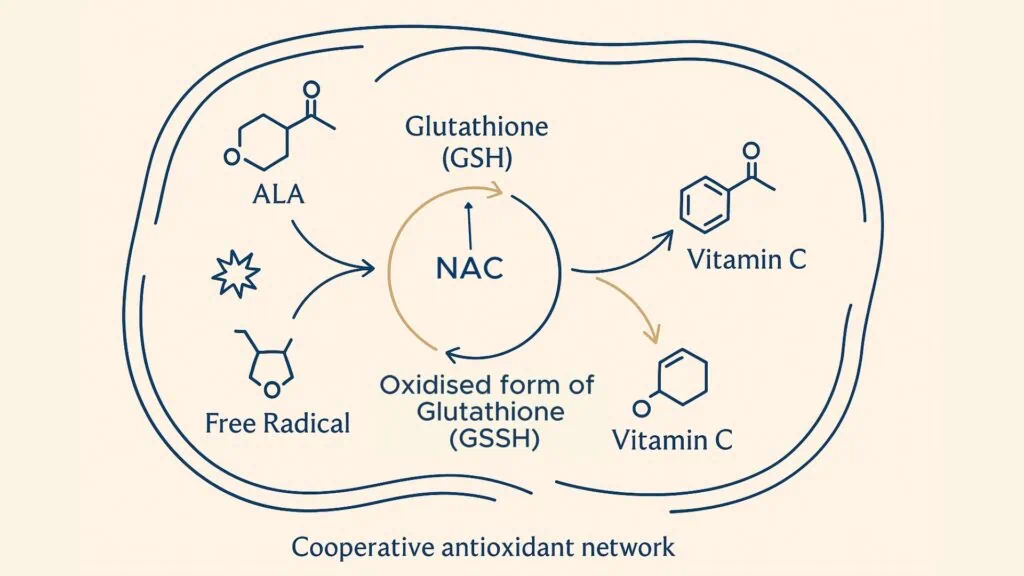
If TAC is your full defence network, glutathione is the command center. Inside every cell, glutathione toggles between a reduced state (GSH) and an oxidized state (GSSG), acting as your internal reset button for oxidative stress. This buffering cycle as fundamental to redox homeostasis. [Silvestrini et al., 2023].
When oxidative “sparks” rise, GSH donates electrons, becomes GSSG, and is then recycled by enzymes like glutathione reductase. That recycling capacity is what gives your antioxidant network flexibility and endurance.
Because glutathione operates intracellularly, it effectively sets the upper limit for your TAC. You might eat a diet rich in antioxidant foods, but if your internal recycling machinery is weak, your overall capacity remains capped.
A key partner in this loop is alpha-lipoic acid (ALA). Alpha-lipoic acid (ALA) carries special chemical “handles” called thiol groups — tiny sulfur-based hooks that can grab onto excess metals like iron or copper and escort them safely away. These same hooks also help neutralize oxidative sparks (ROS), strengthening ALA’s role as a versatile antioxidant [Packer et al., 1995]. ALA also regenerates oxidized antioxidants (like vitamins C and E) and feeds electrons back into the glutathione system, helping keep the network dynamic and responsive [Biewenga et al., 1997]. Some formulations use liposomal glutathione to boost absorption and bioavailability — though strong clinical data in humans is still developing. You can read more about Glutathione in our dedicated journal (Liposomal Glutathione: Beyond the Label)
Practical Takeaways & Balancing Your Antioxidant Capacity
Your system doesn’t care about fancy claims. It cares about electrons, balance, and repair. Here’s how you can support TAC in daily life:
- Lifestyle first: Prioritize sleep, stress control, and reduce chronic inflammation — these factors influence how many oxidative “sparks” you produce.
- Diet diversity: Embrace colorful, polyphenol-rich foods — berries, green tea, dark chocolate, cruciferous vegetables.
- Support not bombard: Use supplement strategies that help your internal system (e.g. NAC, glycine, ALA) rather than just flooding with external antioxidants.
- Smart formulation: Choose supplements that pair glutathione precursors with recycling agents like ALA to strengthen both supply and regeneration.
- Timing & spacing: Instead of mega-dosing all at once, spread intake so your system can regenerate and respond.
For example: a breakfast of berries + green tea (food side) followed by a midday glutathione/NAC/ALA blend helps support both external supply and internal recycling — gradually building true redox resilience.
Seamless Resilience
TAC isn’t a rigid label — it evolves with diet, lifestyle, and internal repair capacity. When your endogenous systems are strong and your diet gives you the right compounds, TAC becomes more than a number. It becomes a lived advantage in resisting skin aging, balancing energy, and maintaining cellular health. Let it be a guide, not just a metric.
Be first to try our evidence-built formulations.
Collagen Cofactor Complex + Cellular Triad Glutathione Complex.
No noise. No guesswork. Just biologically honest design.