
Sunlight doesn’t just “age” skin.
It alters the systems that maintain it.
Collagen is broken down, mis-signalled, and rebuilt under stress. And much of that process begins with something as routine as unprotected daily light exposure.
The Mechanical Truth: UV & The Dermal Matrix
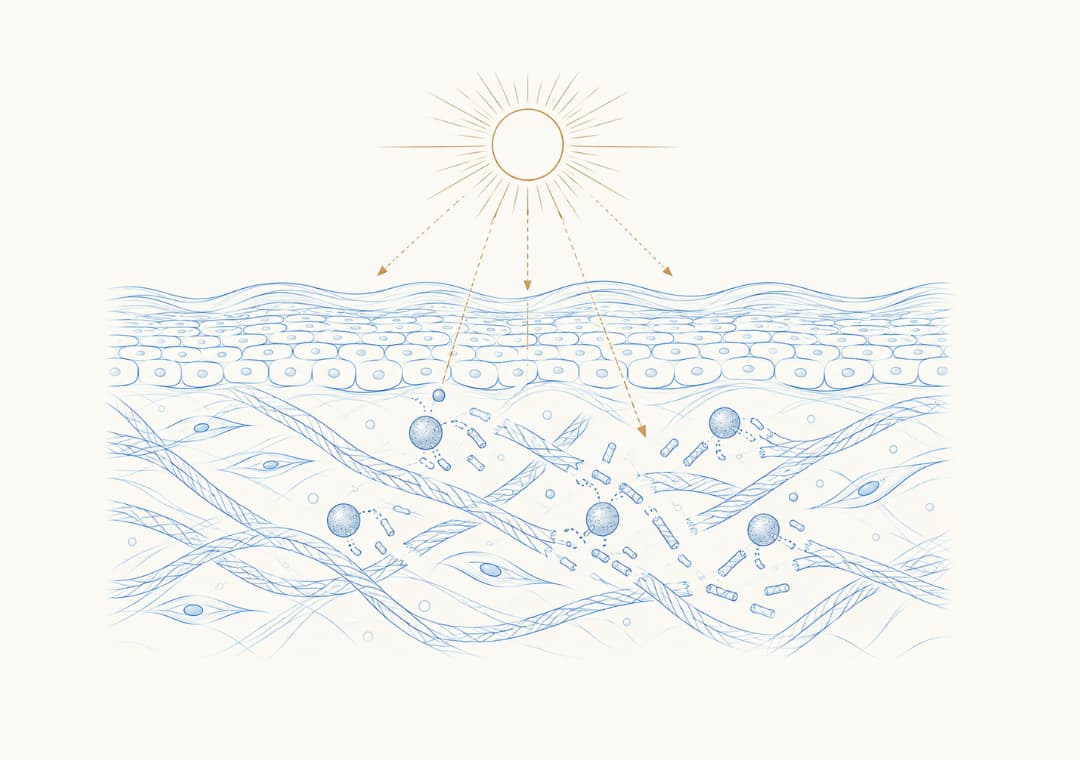
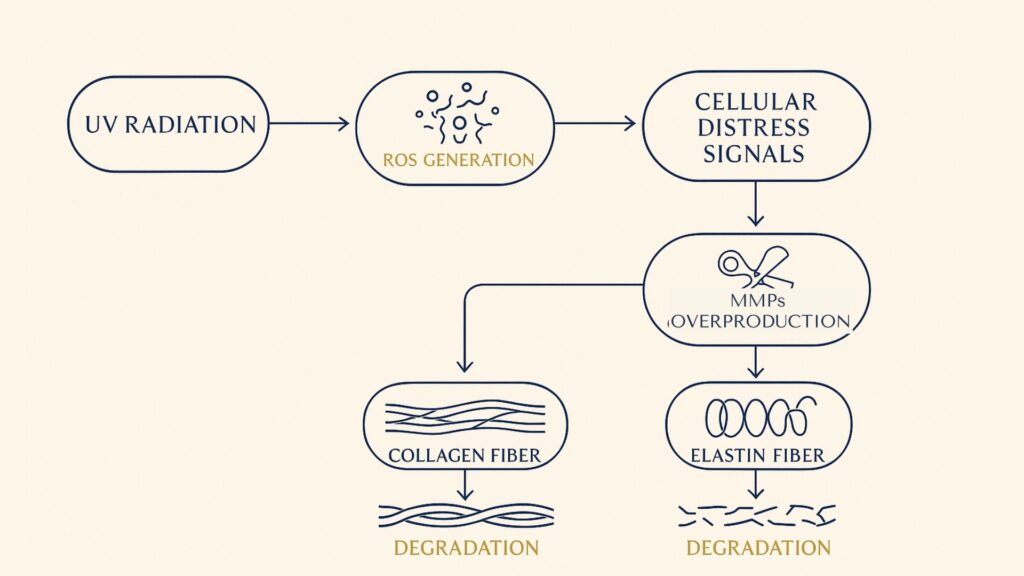
- Enzymatic Degradation (MMPs): UV radiation, specifically UVA which penetrates glass and clouds year-round, is not merely a surface “burn.” It triggers Matrix Metalloproteinases (MMPs), enzymes that physically fragment existing collagen and elastin fibres, leading to structural collapse.
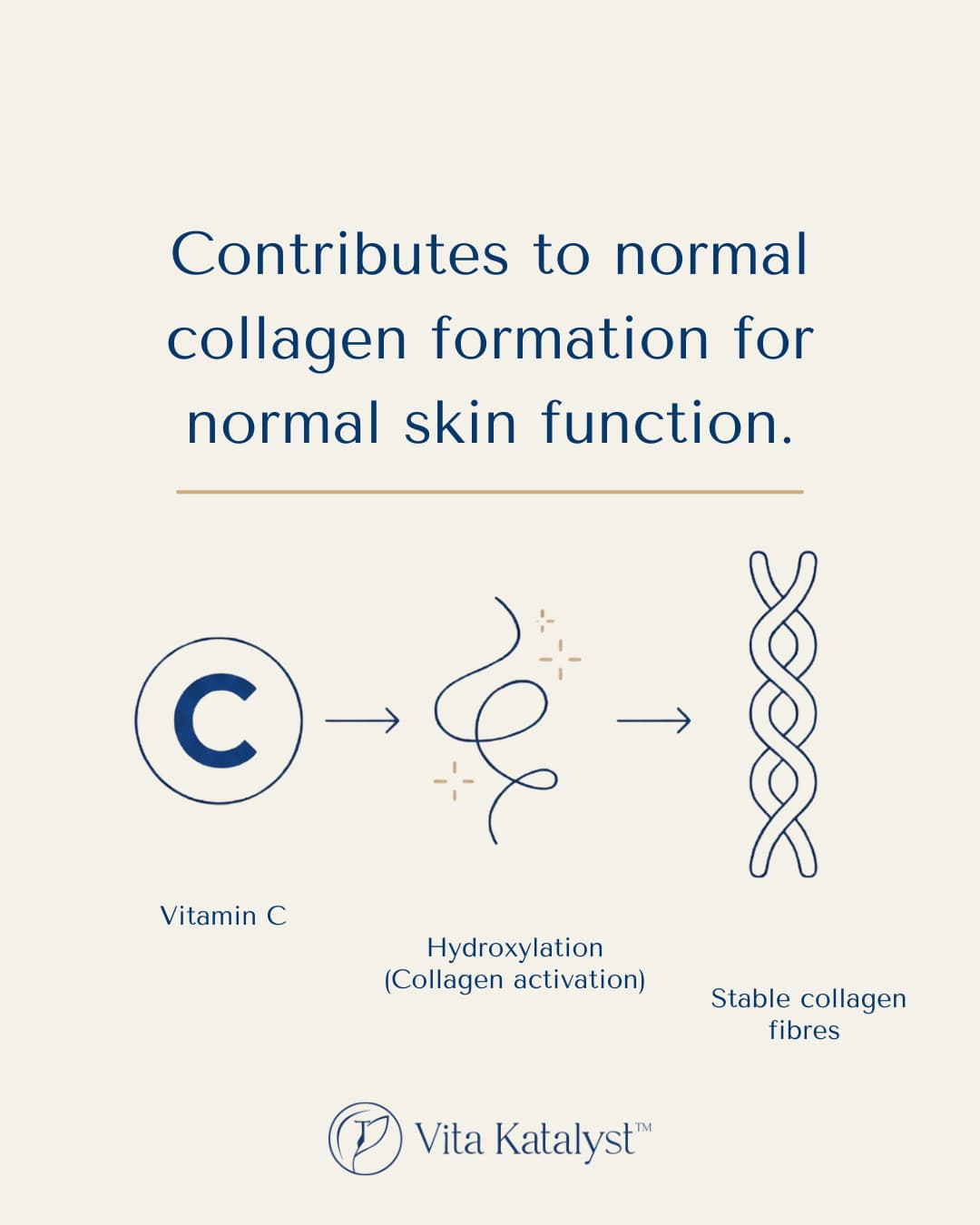
- Oxidative Coupling & Stalling: Solar exposure generates a cascade of free radicals that deplete the skin’s internal antioxidant reservoir. This oxidative stress specifically stalls collagen hydroxylation, the critical molecular step required to bond and stabilise new collagen strands into a resilient matrix.
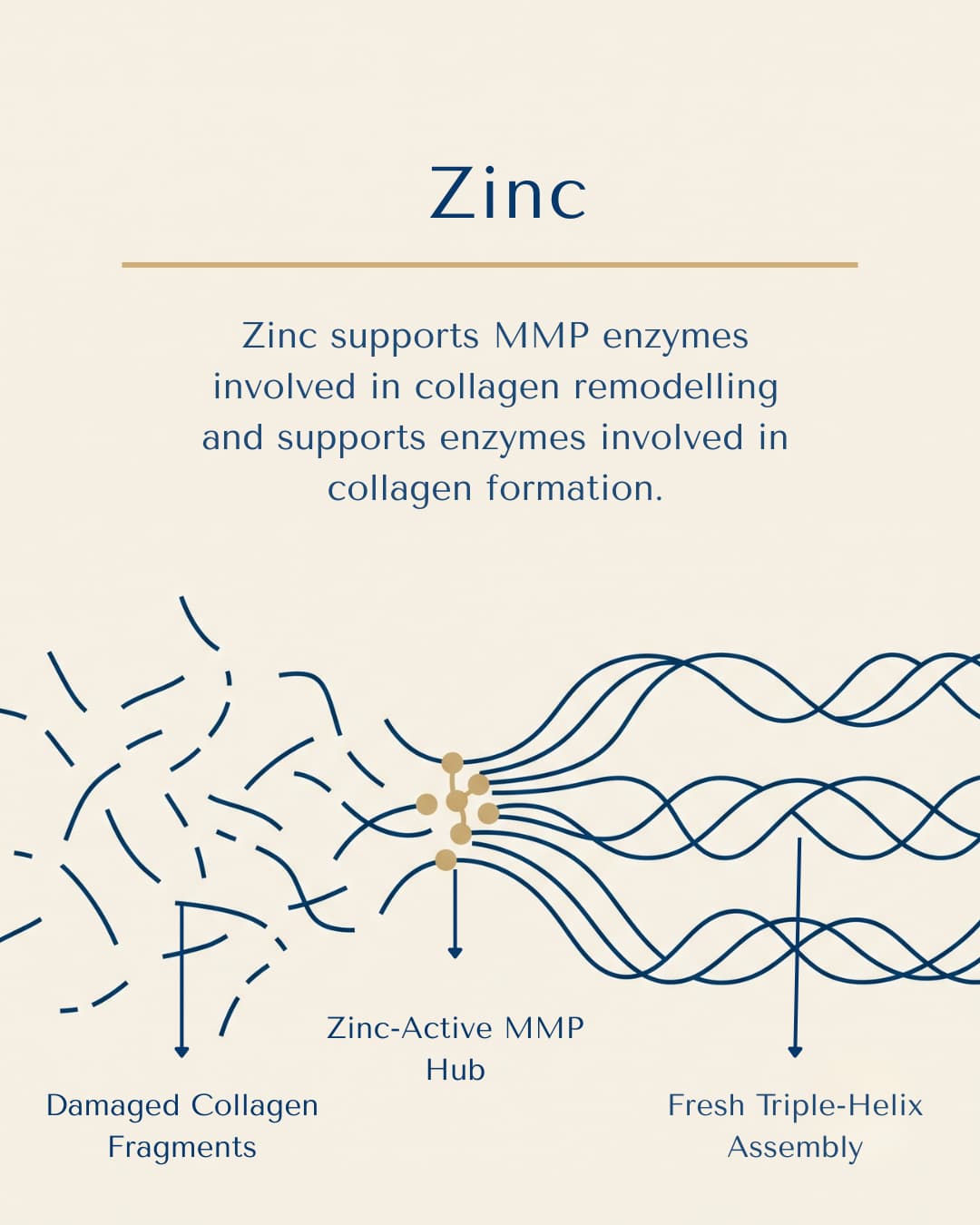
- The Micronutrient Response: Reversing this damage requires targeted cofactors. Vitamin C acts as the primary antioxidant shield and essential catalyst for synthesis, while Zinc is required to regulate MMP activity, moderating the breakdown triggered by UV exposure.
- The Dual-Axis Solution: True dermal protection requires a parallel strategy: external SPF to block photon entry and internal biological support (nutrients) to inhibit enzymatic destruction and reinforce the matrix scaffolding from within.
To understand photoaging properly, you have to look beneath the surface at oxidative stress, cellular signalling, and the enzymes that quietly reshape your skin’s architecture over time.

What is Photoaging? Understanding Sun Damage Beyond the Surface
The term “photoaging” simply describes the changes in your skin caused by prolonged exposure to the sun’s radiation; primarily its ultraviolet (UV) rays, but also other forms of light [Scharffetter-Kochanek K, et al., 2000]. Think of it as skin aging accelerated by light. It’s distinct from chronological aging (the natural inevitable process of skin deterioration due to age and genetics) and accounts for a surprisingly large part of what we typically see as “signs of aging.”
Curious how enzymes like MMPs contribute to collagen breakdown and photoaging? Jump to that section.
Defining Photoaging: More Than Just a Tan
While a suntan or sunburn are immediate, visible reactions to sun exposure, photoaging is the result of long-term, cumulative damage that happens deep within your skin’s layers. The outer layer of the skin, known as the stratum corneum, acts as a protective barrier that shields the underlying tissues from the cumulative effects of sun exposure. It’s the sum of all those moments in the sun incidental exposure while driving, sitting near a window, or enjoying a cloudy day outdoors that contribute to lasting changes [Scharffetter-Kochanek K, et al., 2000].
A tan might fade, but the underlying changes to your skin’s structure and cellular DNA from repeated sun exposure can lead to more permanent concerns. Indeed, scientific reviews consistently show that up to 80-90% of visible facial aging signs can be attributed to this kind of UV exposure [Flament F, et al., 2013], highlighting just how impactful our relationship with the sun truly is.
UVA (the “Aging Rays”) vs. UVB (the “Burning Rays”): Their Year-Round Impact
The sun’s UV radiation that reaches us is made up of two main types: UVA and UVB. They affect your skin in distinct ways:
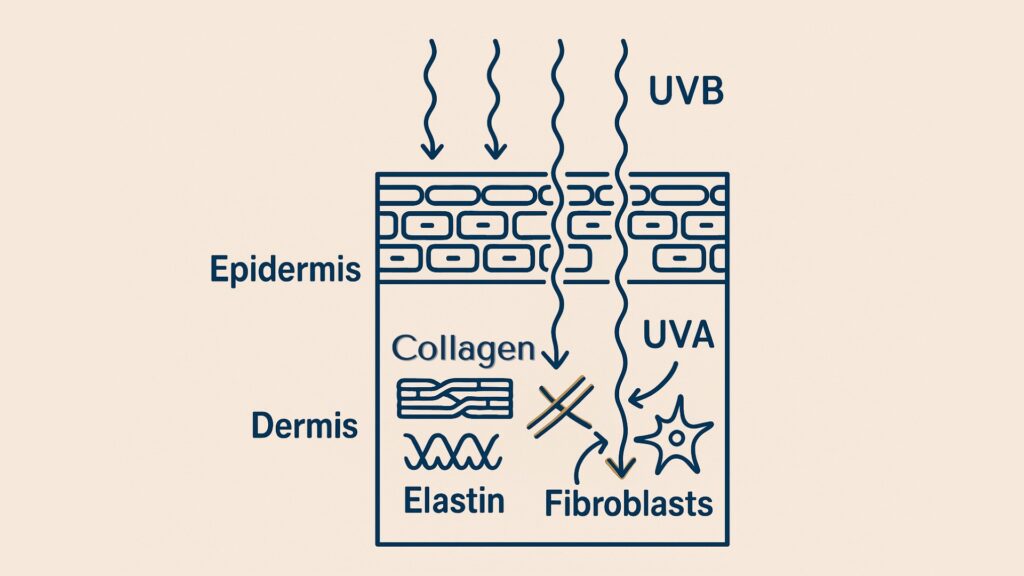
UVB Rays (Burning Rays): These have a shorter wavelength and are mostly absorbed by the skin’s outermost layer, the epidermis. They are the primary cause of sunburn and contribute significantly to the risk of skin cancers by directly damaging DNA in skin cells [Kim T-H, et al., 2019]. UVB intensity is highest in summer and during peak sun hours, making exposure to UV from the summer sun especially risky.
UVA Rays (Aging Rays): These rays have a longer wavelength and make up about 95% of the UV radiation that gets through the atmosphere. Crucially, UVA rays penetrate much deeper into your skin, reaching down into the dermis where your skin’s vital support network, including collagen and elastin fibers [Kim T-H, et al., 2019].
Imagine UVA rays as silent saboteurs; they don’t always cause an immediate burn like UVB, but they are constantly, stealthily working beneath the surface. What makes UVA particularly insidious is its consistent presence. It’s there year-round, at the same intensity during daylight hours, regardless of whether it’s sunny or cloudy, and can even penetrate glass [Chen H, et al., 2014].
Over time, this structural disruption becomes visible, as changes in texture, elasticity, and pigmentation.
The UK Exposure Pattern: Intermittent UV and the Damage It Leaves
The UK presents a specific photoaging risk profile that is distinct from consistently sunny climates. For most of the year, meaningful UVB exposure, sufficient for Vitamin D synthesis, is limited to the months between late March and September, and only during midday hours. Yet UVA, the longer-wavelength ray responsible for collagen degradation via MMP activation, remains present year-round at consistent intensity regardless of season, cloud cover, or whether the sun is visible.
The result is a pattern of chronic, low-level UVA accumulation throughout the year, punctuated by episodes of acute UVB intensity, summer holidays, heatwaves, or rare days of prolonged sun exposure; for which the skin is largely unprepared.
The British Association of Dermatologists and Cancer Research UK note that the amount of sun exposure sufficient to cause skin damage is considerably greater than that needed for Vitamin D synthesis, and that brief, regular exposure is preferable to prolonged or intermittent high-intensity exposure.
For UK adults, particularly those with darker skin tones, in whom melanin’s UVB-absorbing effect reduces Vitamin D synthesis and may mask early sun damage, the combination of chronic UVA load and unpredictable UVB bursts makes year-round photoprotection, not seasonal SPF use, the evidence-aligned standard.
Beyond UV: Are Visible Light and Infrared Playing a Role?
While UV is the primary driver, other wavelengths such as visible light and infrared may also contribute to oxidative stress and collagen degradation, though their role is less dominants [Duteil L, et al., 2022] [Cho S, et al., 2009].
How UV Attacks Collagen from Multiple Angles and Impact Skin Barrier
UV exposure doesn’t only affect collagen, it also alters the structure of the skin barrier.
Lipid layers become depleted, and keratinocyte organisation is disrupted.
This weakens the barrier’s ability to retain moisture and regulate external stressors, increasing overall vulnerability of the skin system.
Collagen’s Crucial Role & How the Sun Wages War On It
Collagen is your skin’s primary structural protein, providing firmness and support – think of it as the skin’s supportive framework. While natural collagen production declines with age (accelerating during perimenopause and menopause [Jenkins G, et al., 2014; Zhang S & Duan E, 2018], sun exposure dramatically speeds up its loss and damage.
Collagen provides structural support, maintaining firmness, and skin elasticity. It also supports the regeneration of dead skin cells, which is vital for maintaining healthy skin. But when MMP enzymes become overactive (often due to UV stress) they accelerate collagen breakdown, undermining skin strength and resilience.
Direct Hits on Collagen Fibres: UV rays act like molecular “scissors,” directly breaking the chemical bonds within collagen and elastin fibres. This weakens your skin’s supportive “ropes,” leading to loss of strength, decreased skin elasticity, and the appearance of aged skin, including wrinkles.
UV radiation employs a multi-pronged attack:
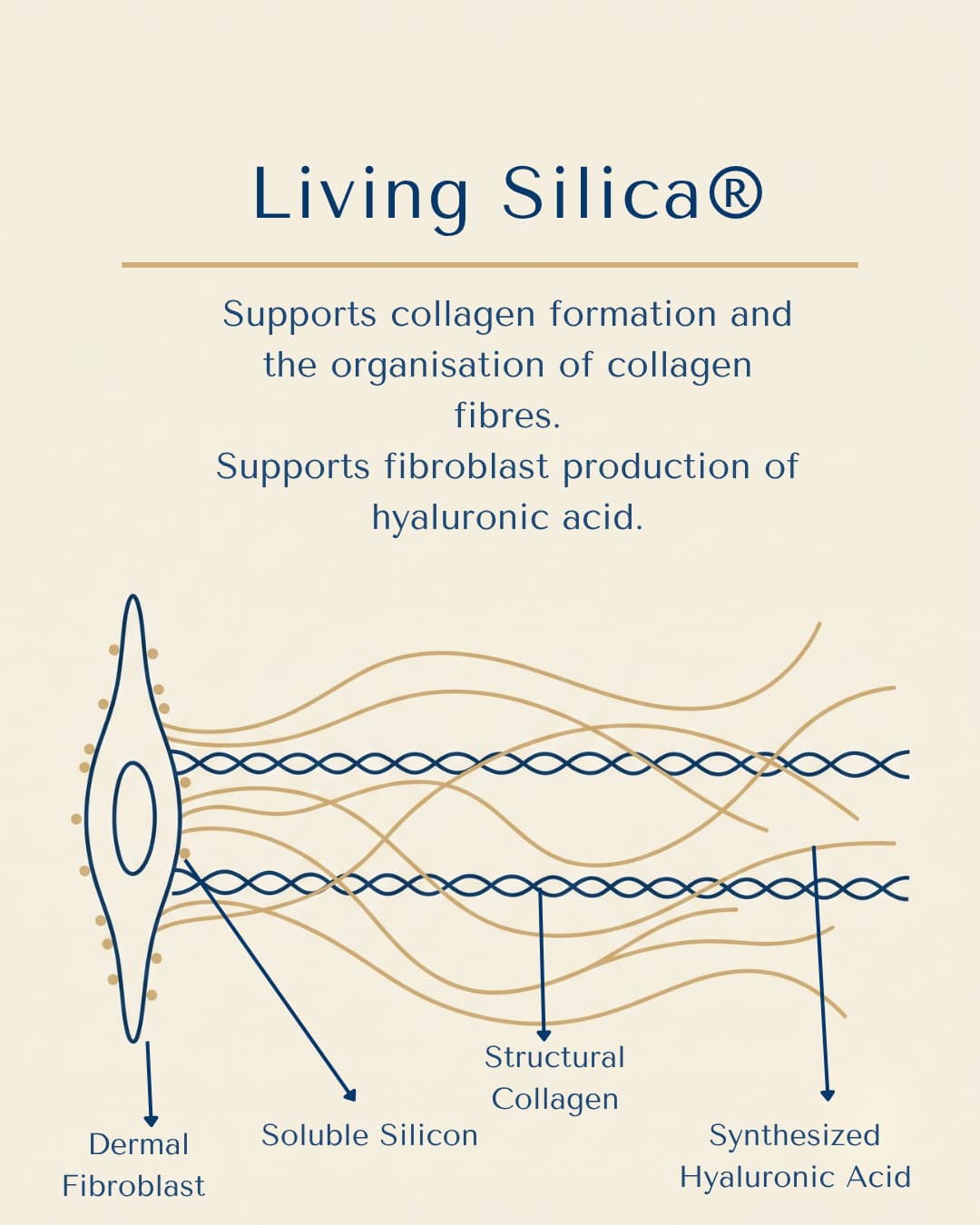
Sabotaging the builders (Fibroblast Dysfunction): UV radiation damages fibroblasts, your skin’s “collagen factories.” This impairs their ability to produce new collagen and can even cause them to produce substances that further degrade existing collagen [Liu W, et al., 2024].
The Oxidative Stress Bomb
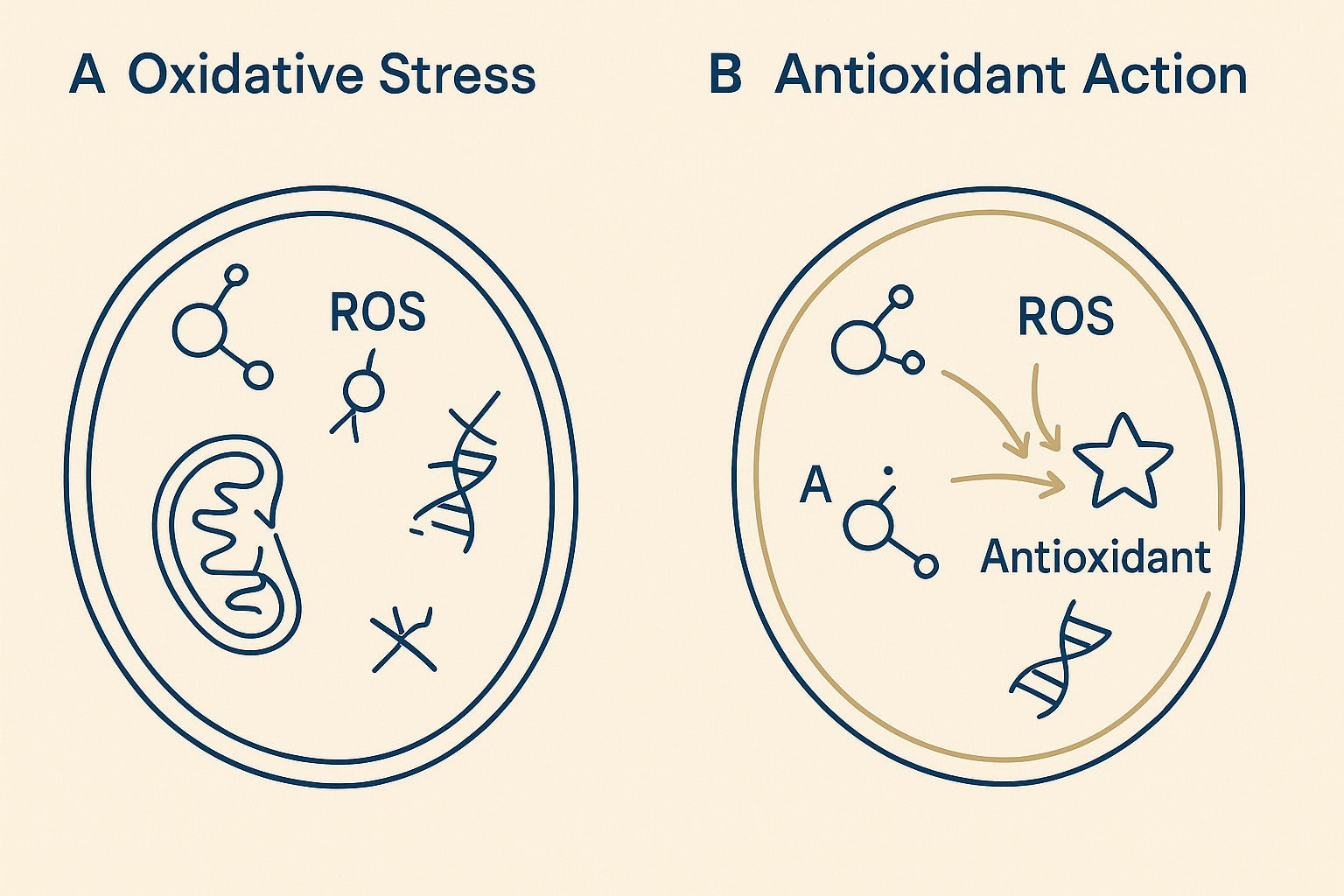
Reactive Oxygen Species (ROS): UV exposure creates a surge of unstable molecules called ROS (e.g., superoxide anions, hydroxyl radicals). Think of ROS as tiny, damaging “sparks” inside your skin.
ROS = Reactive Oxygen Species — unstable molecules that damage DNA, proteins, and lipids
Oxidative Stress: This is the harmful imbalance when there are too many ROS “sparks” for your skin’s natural antioxidant defenses to handle. This state of oxidative stress results in widespread damage that attacks collagen, cell structures, and DNA, accelerating photoaging [Puizina-Ivić N, 2013; Scharffetter-Kochanek K, et al., 2000].
Unmasking the “Hidden Accelerators”: Understanding MMPs in Skin Aging
UV exposure doesn’t just damage collagen directly, it changes the signalling environment around it.
One of the key pathways involves reactive oxygen species (ROS). These unstable molecules act as cellular stress signals, activating transcription pathways that upregulate matrix metalloproteinases (MMPs).
MMPs are not inherently harmful. They are part of normal tissue remodelling, a controlled system that clears damaged proteins. [Knox T, et al., 2024].
The problem is scale.
Under sustained UV exposure, ROS levels rise beyond what antioxidant systems can buffer. The signal becomes amplified act as internal distress signals within skin cells, initiating a chain reaction of cellular alarm bells. MMP production increases disproportionately; particularly enzymes like MMP-1 that target collagen [Scharffetter-Kochanek K, et al., 2000.; Kammeyer A & Luiten R, 2015].
What should be maintenance becomes degradation.
Collagen is broken down faster than it can be rebuilt, and the structural integrity of the dermis begins to shift.
Collagen loss in this context isn’t passive.
It reflects a shift in balance, where breakdown begins to outpace the skin’s ability to repair and maintain its structure.
That balance is regulated by signalling, enzyme activity, and the surrounding biological environment.
MMPs are zinc-dependent enzymes activated through a process known as the cysteine switch. They’re kept in balance by Tissue Inhibitors of Metalloproteinases (TIMPs). It’s not the presence of MMPs that’s harmful—it’s their dysregulation under oxidative stress that disrupts skin architecture.
Collagen is actually rebuilt, not supplemented.
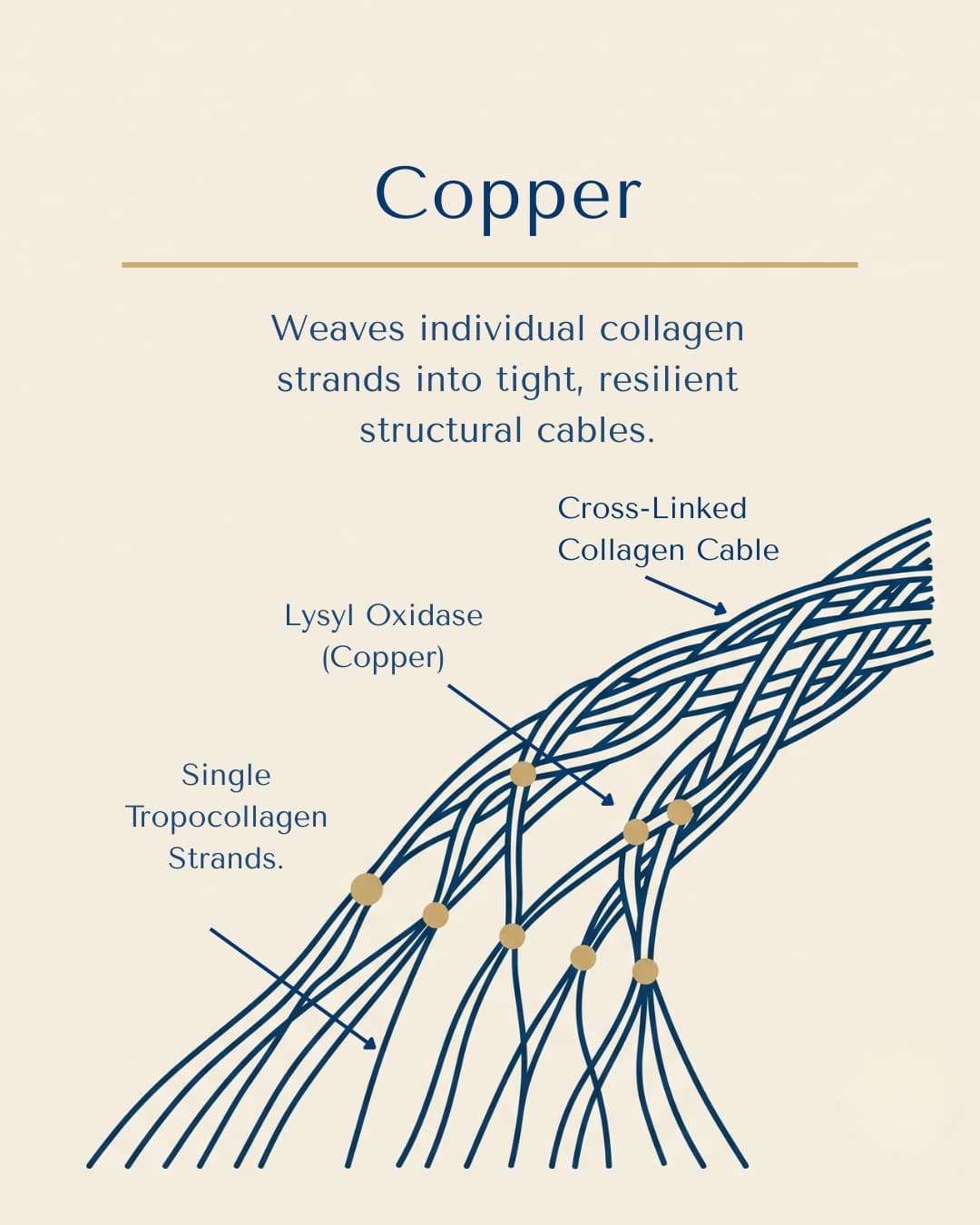
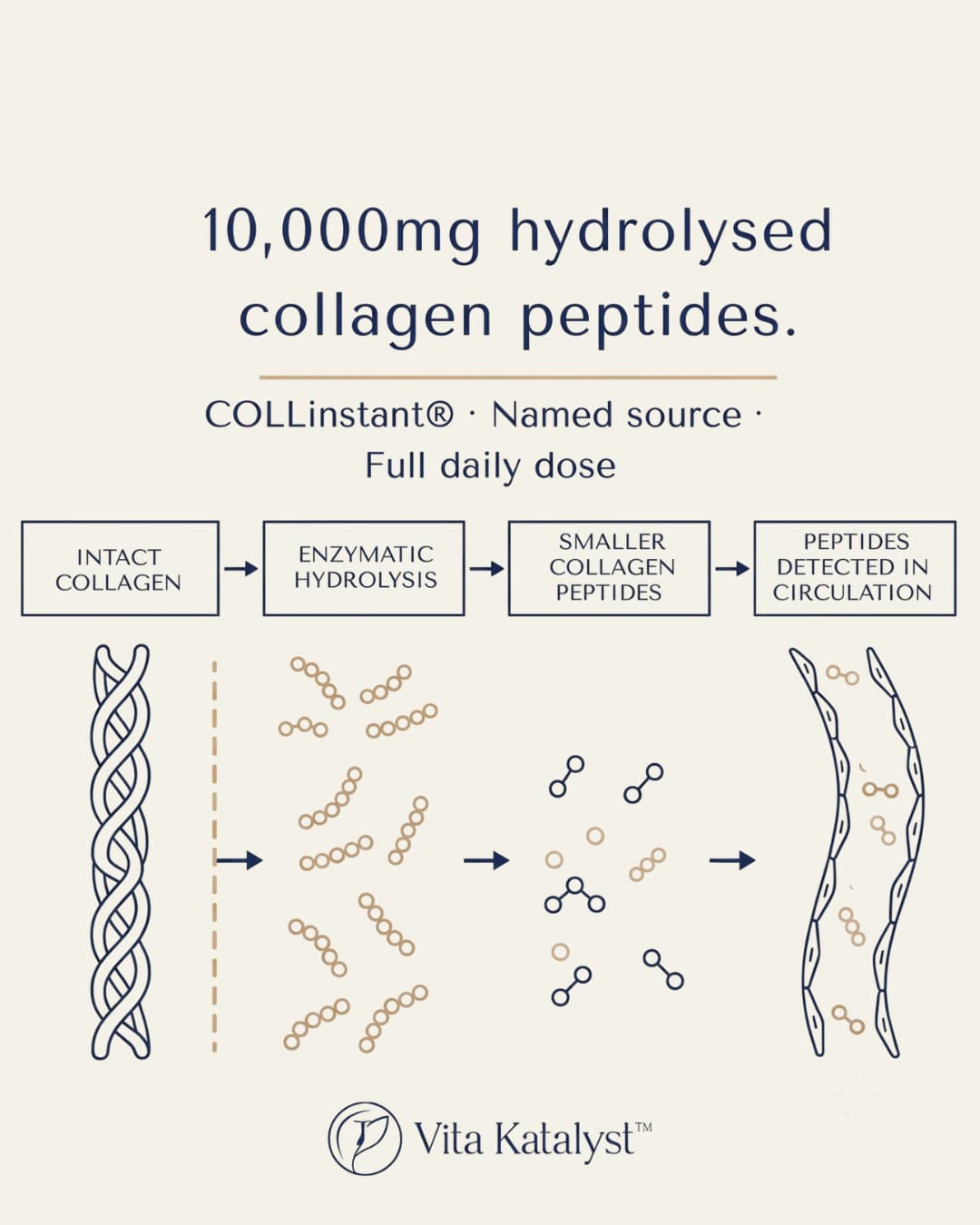
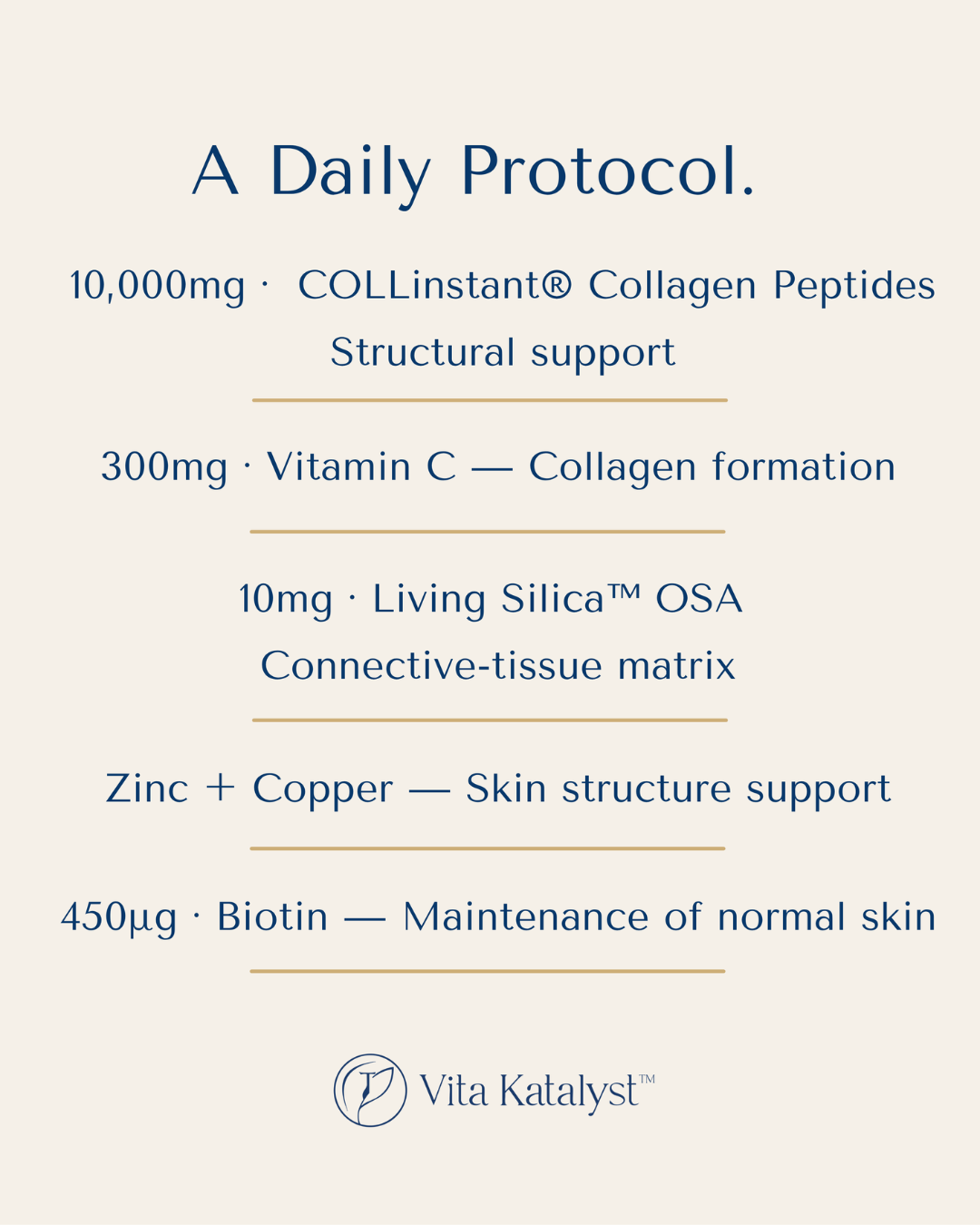
To support the collagen stabilisation process described above, the Collagen Cofactor Complex™ includes 300mg Vitamin C, a dose aligned with the plasma saturation window, acting as cofactor for hydroxylation, the step that allows collagen to form a stable triple-helix structure. The formula also includes 10mg Zinc, which helps regulate the MMP enzymes that UV exposure upregulates.
To support balance, antioxidants act like emergency technicians, neutralizing ROS before they can trigger excessive MMP activation.
To understand how the Collagen Cofactor Complex™ was designed to address both sides of this process — supporting collagen synthesis via Vitamin C-enabled hydroxylation and moderating MMP-driven breakdown via Zinc; see the Formulation Methodology.
Addressing Sun Damage: Prevention and Repair
The first layer of intervention is behavioural: limiting excessive UV exposure and reducing cumulative oxidative stress.
But protection alone doesn’t resolve the underlying biology.
The more important question is whether the internal environment, antioxidant capacity, signalling balance, and matrix support is sufficient to maintain repair alongside exposure.
To explore how oral antioxidants provide vital internal defence, see our guide: Radiance From Within: The Science of Oral Antioxidants for Healthy, Sun-Protected Skin.
Understanding Your Skin’s Overall Defence: The Role of Antioxidant Capacity
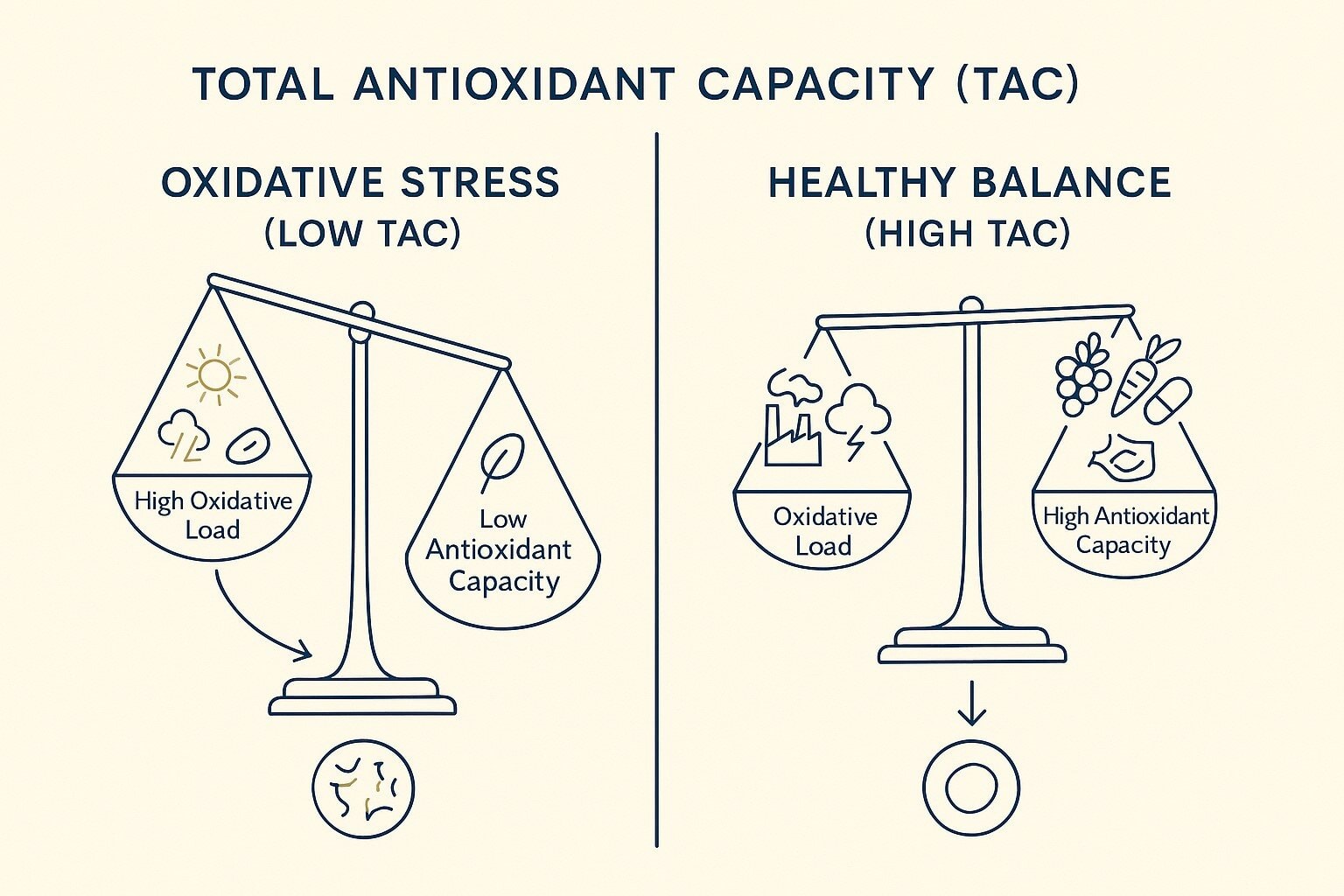
You might hear about Total Antioxidant Capacity (TAC). “What is TAC in health?” It’s the overall ability of your body and skin to neutralize harmful free radicals and combat oxidative stress. “How does TAC relate to skin health?” A robust TAC means your skin is better equipped to defend itself and repair damage.
“Can diet influence TAC and skin aging?” Yes, profoundly. What you consume significantly bolsters your systemic antioxidant defences, highlighting how an “inside-out” approach is a powerful strategy.
What Can Be Done About Sun Damage to Skin?
The sun’s impact on our skin is profound and scientifically well-documented. While natural aging is an unavoidable, genetically driven process, the accelerated effects of prolonged sun exposure and chronic sun exposure, such as photoaging, damage to elastin and collagen, and the appearance of pigmented spots can significantly worsen skin aging. From the silent work of UVA rays to the aggressive action of MMP enzymes, daily sun exposure relentlessly challenges our skin’s integrity.
Understanding these mechanisms enables you to adopt protective habits and make informed choices to nurture your skin’s health and resilience at every age.
The first line of defence is always diligent sun protection. But to truly support your skin from all angles, consider how you can bolster its internal resilience.
Interested in learning how powerful oral antioxidants can support your skin from within? Read our comprehensive guide: Radiance From Within: The Science of Oral Antioxidants for Healthy, Sun-Protected Skin.
Frequently Asked Questions (FAQs)
Matrix metalloproteinases (MMPs) are enzymes that naturally help remodel skin tissue, but when overactivated—often by UV exposure and oxidative stress—they break down collagen and elastin, leading to wrinkles, thinning skin, and accelerated aging.
UV rays generate reactive oxygen species (ROS), which signal cells to produce more MMPs. This overproduction breaks down the skin’s support structure, contributing to visible signs of photoaging such as sagging, pigmentation, and fine lines.
MMPs are essential for natural skin repair and wound healing, but when dysregulated—due to chronic UV exposure or inflammation—they cause more harm than good by degrading structural proteins too aggressively. Balancing MMP activity is key to skin resilience.
Yes. Antioxidants like glutathione, NAC, and vitamin C neutralize ROS before they trigger excessive MMP production. This helps preserve collagen and supports healthier, firmer skin over time.