
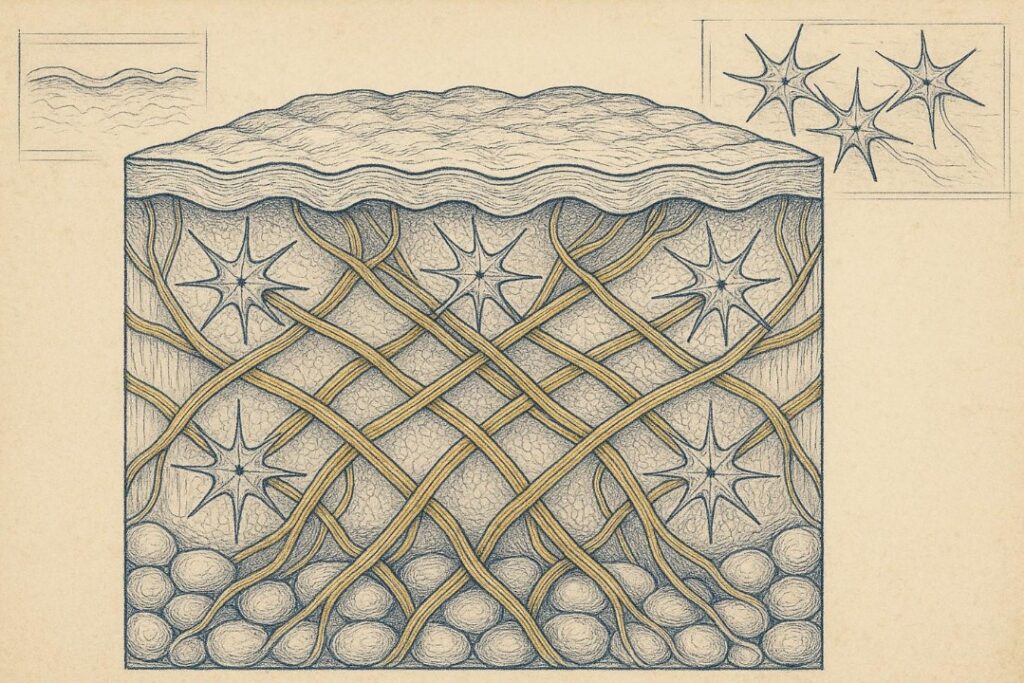

The skin is not just our outer covering — it is the body’s largest organ and, increasingly, understood as a biological sentinel of aging. Recent research in Nature Aging highlights how changes in skin integrity mirror deeper processes of cellular decline, making skin both a barrier and a biomarker of internal health. Among its structural components, collagen stands at the center: a protein that provides resilience, elasticity, and repair. Within the dermis, fibroblasts act as the architects of this framework, continuously weaving collagen fibers that maintain strength and vitality. Supporting these cells and their collagen production is not simply a cosmetic pursuit, but part of nurturing the biology of thriving.

What is Collagen?
Making up about 80% of the skin’s dry weight, collagen is a foundational structural protein known for its unique triple helix. It is the most abundant protein in the human body, found in the connective tissues of the skin, tendons, cartilage, organs, and bones, where it plays a crucial role in maintaining structural integrity and elasticity. Collagen directly contributes to skin firmness and hydration, supporting its resilience and suppleness.
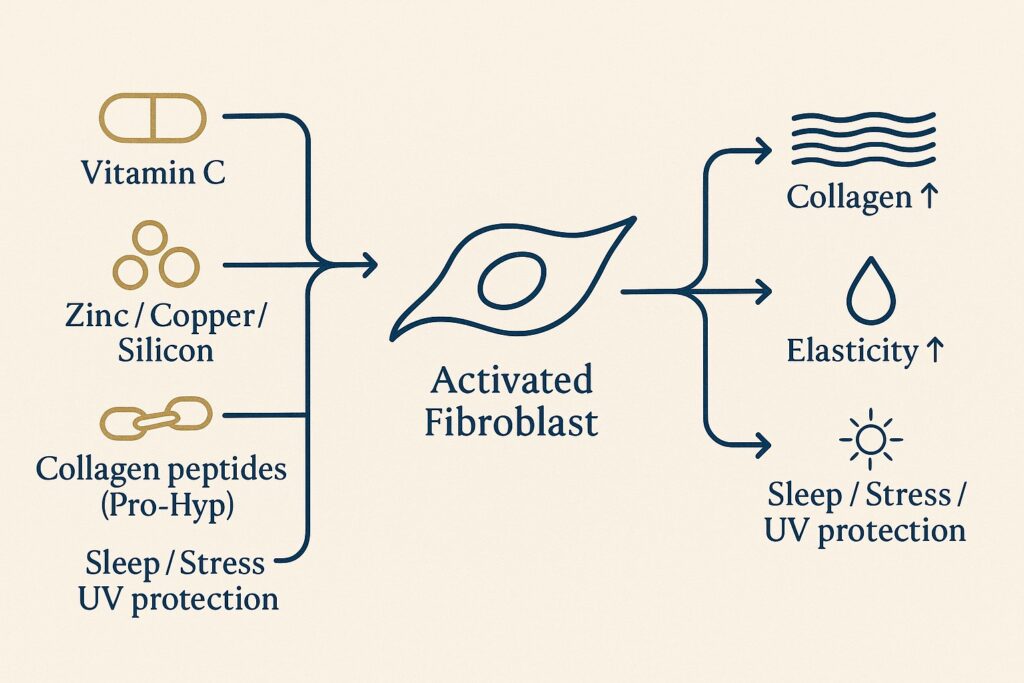
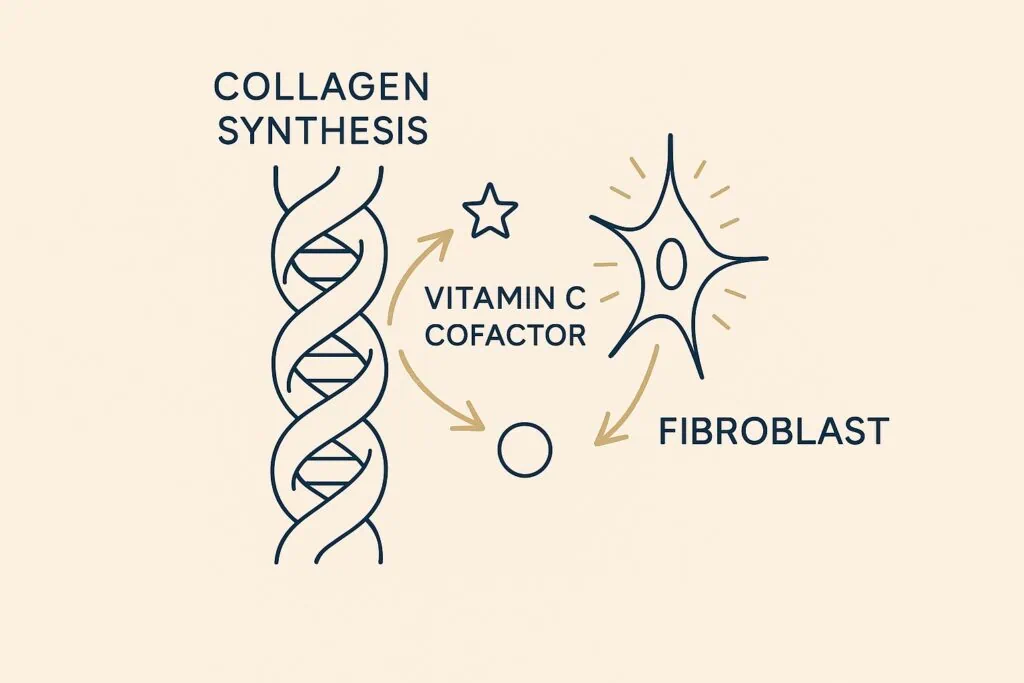
The body naturally synthesizes collagen, a meticulous process closely linked to fibroblasts—specialized cells in the dermis that serve as the architects of your skin’s structural integrity. These cells are responsible for synthesizing collagen fibers and other components of the extracellular matrix (ECM). Think of the ECM as a intricate, supportive web that surrounds cells, providing structure, facilitating communication, and helping them adhere. The primary amino acids required for collagen production are proline, glycine, and hydroxyproline.
As we age, the activity of fibroblasts naturally diminishes, leading to a reduction in collagen production. This contributes to visible signs of aging, such as fine lines and facial wrinkles, and can also impact joint function causing joint pain. However, incorporating healthy strategies like a nutrient-rich diet and avoiding smoking can significantly support fibroblast activity, enhancing both skin and joint health, ensuring they remain resilient.
The Diverse Architecture of Collagen: Understanding Its Types
Collagen is not a singular entity; it exists in several types, each serving distinct, crucial functions throughout the body.
Type V Collagen: A fibrillar collagen that forms long, rope-like fibers, critical for regulating the fibril diameter and thus the strength and flexibility of various tissues.
Type I Collagen: The most abundant, found predominantly in skin, tendons, and bones, providing essential strength and structure.
Type II Collagen: Primarily located in cartilage, vital for joint health and alleviating discomfort associated with conditions like osteoarthritis.
Type III Collagen: Often co-occurs with Type I, important for skin elasticity and particularly prominent during wound healing.
Type IV Collagen: Found within the basement membrane layers of the skin, playing a key role in tissue support.
What are the Main Functions of Collagen in the Skin?
Supporting Skin Elasticity
Positioned beneath the skin’s surface, collagen provides essential structural support. As collagen naturally diminishes with age, the skin loses firmness and elasticity, manifesting as sagging skin, fine lines, and wrinkles.
Enhancing Hydration
Specific collagen fragments play a significant role in stimulating the synthesis of hyaluronic acid, which profoundly enhances the skin’s inherent ability to retain moisture effectively.
Supports Wound Healing
Type III collagen is particularly vital during the initial phases of the skin’s healing process, playing a key role in the effective repair of damaged tissues.
Maintaining Overall Skin Structure
Collagen is instrumental in maintaining the structural integrity and resilience across the skin’s various layers, ensuring they remain robust and support overall skin health.
Is Your Collagen Under Silent Stress?
Answer a few focused questions to uncover whether redox load or repair signalling may be influencing your skin’s resilience.
Factors Affecting Collagen Production
Age-Related Decline
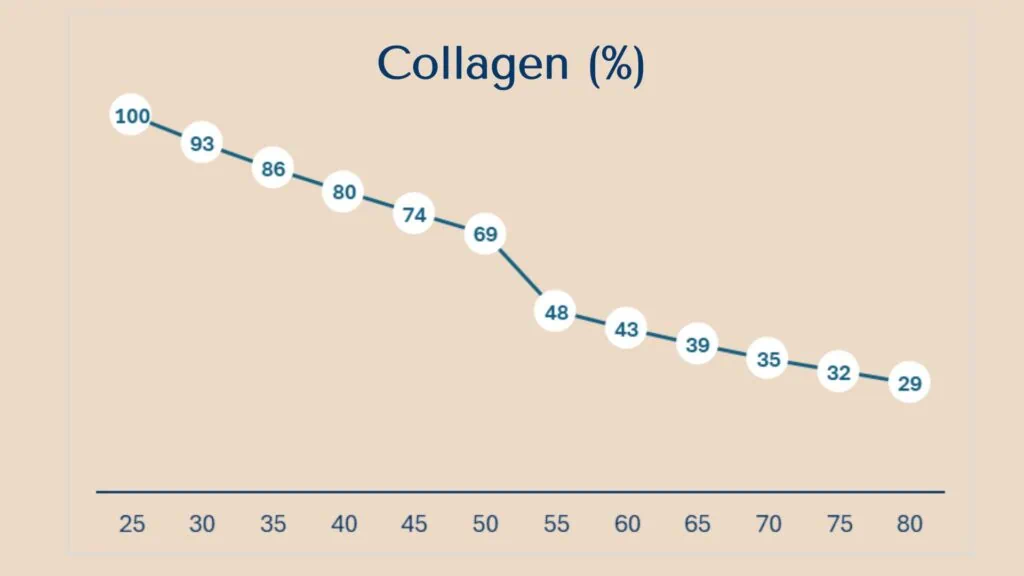
Aging naturally induces a decline in the enzymes involved in collagen processing, reducing the number of active fibroblast cells and the blood vessels that supply the skin. This collectively diminishes the body’s natural collagen production. Loss of collagen typically begins in the 30s, at a rate of about 1% per year, accelerating to approximately 1.5-2% annually in the 50s and beyond. This decline in fibroblast efficiency and collagen synthesis directly contributes to visible skin aging, including wrinkles, sagging, and loss of elasticity.
Environmental Influences: The Impact of UV Radiation
Ultraviolet light (UV) stands as one of the most significant environmental contributors to skin damage, profoundly affecting skin health and collagen synthesis. Prolonged exposure to UV light initiates oxidative stress, damaging skin cells and escalating the activity of Matrix Metalloproteinases (MMPs)—enzymes that break down collagen. This accelerated breakdown of collagen fibers leads directly to premature aging, wrinkles, and visible sun damage.
To safeguard the skin from harmful UV exposure, consistent use of broad-spectrum sunscreen with at least SPF 30 is essential, alongside avoiding sun exposure during peak sunlight hours. Additionally, topical vitamin serums, such as Vitamin C, can offer further protection against sun-induced collagen damage. You can read more about the impact of UV radiation on collagen quality in (How Sun Damages Skin: Understanding Sun Damaged Skin, Collagen, MMPs & Skin Barrier)
Lifestyle Choices
Beyond environmental factors, daily lifestyle choices significantly influence collagen integrity:
Sleep Deprivation: Quality sleep is paramount for the body’s ability to repair and rejuvenate itself, including the skin. Inadequate sleep elevates inflammation and cortisol levels, compromising moisture retention and increasing damage vulnerability. This disruption can accelerate visible aging, resulting in fine lines, wrinkles, and dullness. Research consistently shows that insufficient sleep negatively affects collagen synthesis and repair, leading to loss of firmness and resilience. [Kahan et al., 2010]
Poor Nutrition: Consuming all the nutrients necessary for collagen production—including specific vitamins, minerals, and other vital compounds—is essential for maintaining healthy skin and supporting collagen synthesis. Incorporating a diverse range of plant-based foods, especially leafy greens, provides crucial antioxidants and chlorophyll that help protect and promote youthful skin.
Smoking: This habit leads to the formation of free radicals, causing oxidative stress and directly damaging collagen fibers. The harmful chemicals in cigarette smoke also reduce blood flow to the skin, impairing the delivery of essential nutrients and oxygen. This results in decreased fibroblast activity, which is crucial for producing new collagen. Consequently, smokers often experience prematurely aged skin, characterized by increased wrinkles, loss of elasticity, and a sallow complexion.
Excessive Alcohol Consumption: Alcohol accelerates skin aging by increasing oxidative stress and inflammation while depleting key nutrients needed for collagen synthesis. It also dehydrates the skin and impairs fibroblast function, leading to reduced collagen production. Over time, this contributes to loss of elasticity, premature wrinkles, and a dull appearance.
How can I increase collagen in my face naturally?
The concept of “collagen preservation” has become a growing focus, encouraging individuals to support and boost collagen production early in life, typically starting in their late 20s. Certain foods and habits can significantly contribute to the body’s innate ability to generate more collagen naturally. You can learn more about preserve collagen here.
Regardless of your age, it is never too late to start incorporating the right nutrients, lifestyle choices, and skin routines to enhance collagen production. While eating foods rich in collagen, such as chicken skin or bone broth, provides amino acids, it’s important to note that the body breaks down these proteins into their constituent amino acids before utilizing them for collagen synthesis.
Here are a few foundational steps to begin your journey.
Nutritional Support for Collagen Production
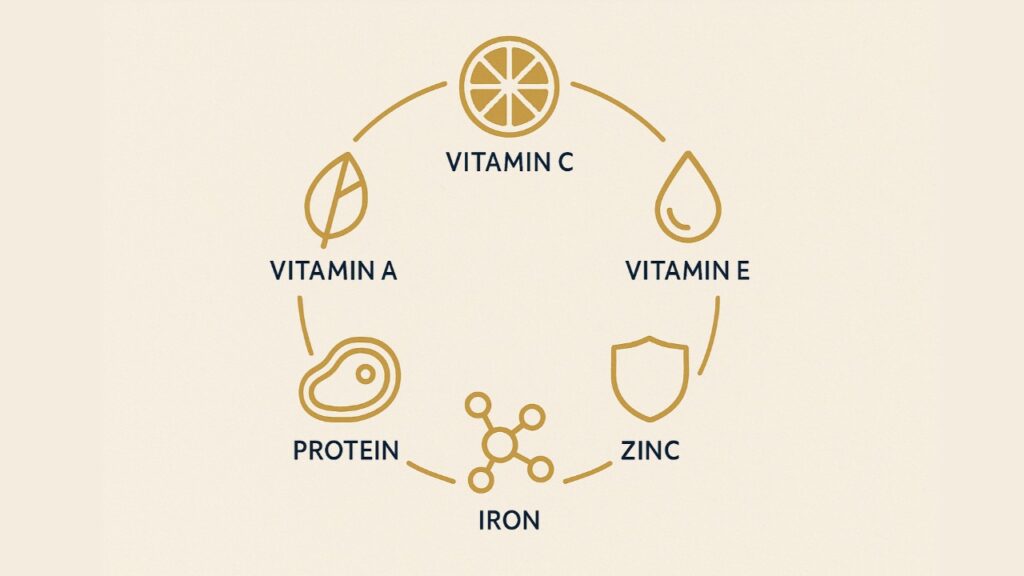
One of the most effective ways to naturally restore collagen in your skin is through precise nutrition. The foods you consume profoundly influence your body’s ability to produce collagen. We’ve summarized the key nutrients and food sources to include in your balanced diet for optimal collagen support. You can check out our video: “The Science Behind Collagen Production: Nutrients You Need for Firm, Radiant Skin” to learn more about their roles.
- Vitamin C: The Collagen Catalyst
- Protein-Rich Foods: The Building Blocks of Collagen
- Vitamin A: Supporting Skin Cell Growth and Repair
- Vitamin E: The Antioxidant Defender
- Zinc: The Collagen Protector
- Iron: Essential for Collagen Synthesis
Bone broths, made by simmering animal bones, are a traditional source of collagen and nutrients. When considering supplements, collagen hydrolysate is a highly bioavailable form of collagen commonly used in many supplements due to its efficient absorption and potential health benefits. Alongside nutrition and protective habits, supplementation with bioavailable collagen peptides is being studied as another way to support fibroblast activity. We’ll explore this more in our guide to collagen supplements.
Whilst skin is often addressed as a cosmetic or beauty concern, modern biology reveals something deeper. The skin is a living reflection of internal physiology, where processes such as inflammation, cellular repair, and collagen turnover become visible at the surface. In this sense, skin acts as a biological window into the ageing process itself. Read more in our article on skin as a window into biological ageing.
Topical Skincare Products
Tretinoin, a potent form of Vitamin A, is among the most studied and effective topical treatments for skin aging. It helps increase collagen production by boosting skin cell turnover, improving texture, and reducing fine lines and wrinkles, [Mukherjee et al., 2006]. However, tretinoin can be too strong for sensitive skin, so milder alternatives like retinol or retinal may be better choices for those with more delicate skin types, offering similar benefits with less irritation.
Skin creams formulated with collagen or synthetic collagen are also popular. While these creams can effectively moisturize the skin and create a protective barrier to prevent water loss and shield against environmental damage, it is important to note that the collagen molecules in these products are generally too large to penetrate deeply into the skin to increase collagen levels from within.
Professional Treatments for Collagen Restoration
- Microneedling: Also known as collagen induction therapy, microneedling involves using a device with tiny needles to create controlled micro-injuries in the skin. This process triggers the body’s natural healing response, stimulating collagen production and improving skin texture. Multiple sessions can lead to noticeable reductions in fine lines, wrinkles, and scars. A clinical study found that after 6 microneedling sessions at 2-week intervals, collagen types I, III, and VII significantly increased in the skin. [Singh & Yadav, 2016]
- Laser Therapy: Laser treatments, such as fractional CO2 or erbium lasers, specifically target the deeper layers of the skin to stimulate fibroblast activity and increase collagen production. These treatments work by creating controlled damage to the skin, encouraging the skin to repair itself with fresh collagen and elastin. Laser therapy improves skin elasticity, texture, and tone, and can reduce wrinkles and fine lines. Laser treatments also help regulate the activity of MMPs (matrix metalloproteinases), enzymes that break down collagen, thereby creating a more favorable environment for collagen production. [Beigvand et al., 2020]
Supporting Skin’s Renewal: The Role of Collagen Supplementation
Collagen supplementation has garnered significant attention as individuals seek to support skin health, joint function, and overall well-being. While various forms like powders, capsules, and tablets are widely available, it is essential to prioritize high-quality ingredients and transparency in sourcing and molecular weight.
The Role of Collagen Bioactive Peptides
Collagen supplements typically contain hydrolyzed collagen peptides, meaning they have been broken down through an enzymatic process into short chains of peptides. This meticulous process enhances their absorption into the bloodstream, allowing the body to utilize them as essential building blocks. These can either serve as amino acids that then go on to build your own collagen, or as bioactive peptides that act as signaling agents, triggering fibroblasts to produce more collagen. These peptides can also play a significant role in stimulating the synthesis of hyaluronic acid, which in turn enhances the skin’s ability to retain moisture effectively. The efficacy of these bioactive peptides is directly linked to the molecular weight and the precise enzymatic process used in collagen manufacturing. Look for collagen supplements with a molecular weight less than 3 kDa for optimal bioavailability. For a deeper dive into the clinical evidence behind supplementation, see our dedicated article: (Do Collagen Supplements Work?).
Furthermore, for those with specific nutritional requirements, such as Halal or Kosher compliance, it is essential to seek suppliers that provide transparent certifications about their sourcing and manufacturing processes. You can read more about how to assess collagen supplement quality in our (Marine vs. Bovine Collagen Guide).
Collagen supplementation can be particularly beneficial when undertaking professional skin procedures like laser therapy. During the recovery period, your body is in a heightened state of activity, actively working to reproduce collagen and heal the skin. Providing these essential building blocks can significantly support the wound healing process. To learn more about the benefits of collagen supplements and review randomized controlled trials read (Do Collagen Supplements Work?). To maximize this benefit, ensure your chosen collagen supplement is either fortified with essential cofactors like Vitamin C and Zinc (both crucial for collagen synthesis and wound healing) or that you are consuming these additional vitamins through other supplements or a nutrient-rich diet. While collagen supplementation can be a valuable addition to a healthy lifestyle, it should be combined with a balanced diet and other skin-protective habits for the best results.
Supporting Collagen as the Foundation of Resilient Skin
Collagen is far more than a cosmetic concern. It is a biological cornerstone that links how we age on the surface with how we function within. From the dermis of the skin to the cartilage in our joints, its steady decline reflects the natural passage of time — yet also offers a window of opportunity.
While no single food, cream, or capsule can reverse the aging process, a thoughtful combination of nutrient-rich diet, restorative habits, and clinically studied supplementation can sustain fibroblast activity and protect the extracellular matrix. By reducing the forces that accelerate breakdown — UV exposure, poor sleep, smoking, chronic stress — and reinforcing the processes that drive repair, we nurture both the appearance of the skin and the health of the body it reflects.
The science is clear: collagen production can be supported, preserved, and guided. The art lies in how we integrate this knowledge into daily life — balancing evidence with presence. In this way, promoting collagen naturally is not simply about chasing youth, but about cultivating resilience at every layer of our biology.
Be first to try our evidence-built formulations.
Collagen Cofactor Complex + Cellular Triad Glutathione Complex.
No noise. No guesswork. Just biologically honest design.