
Most collagen advice focuses on type. But what actually determines results is something else entirely.
The Mechanical Truth: Marine vs. Bovine Purity; and Skin, Hair & Nail Evidence
- Marine vs bovine collagen: after enzymatic hydrolysis, neither source has been shown to be universally better absorbed than the other. Peptide molecular weight, dose, purity and quality matter more.
- Type I vs Type III collagen: marine collagen is predominantly Type I, while bovine collagen provides Type I + Type III. Type I contributes to tensile strength and firmness, while Type III contributes to elasticity and structural support.
- Capsules vs powder: capsules can make it difficult to reach the 5–10 g doses commonly used in clinical studies, while powder allows a meaningful dose in a single serving.
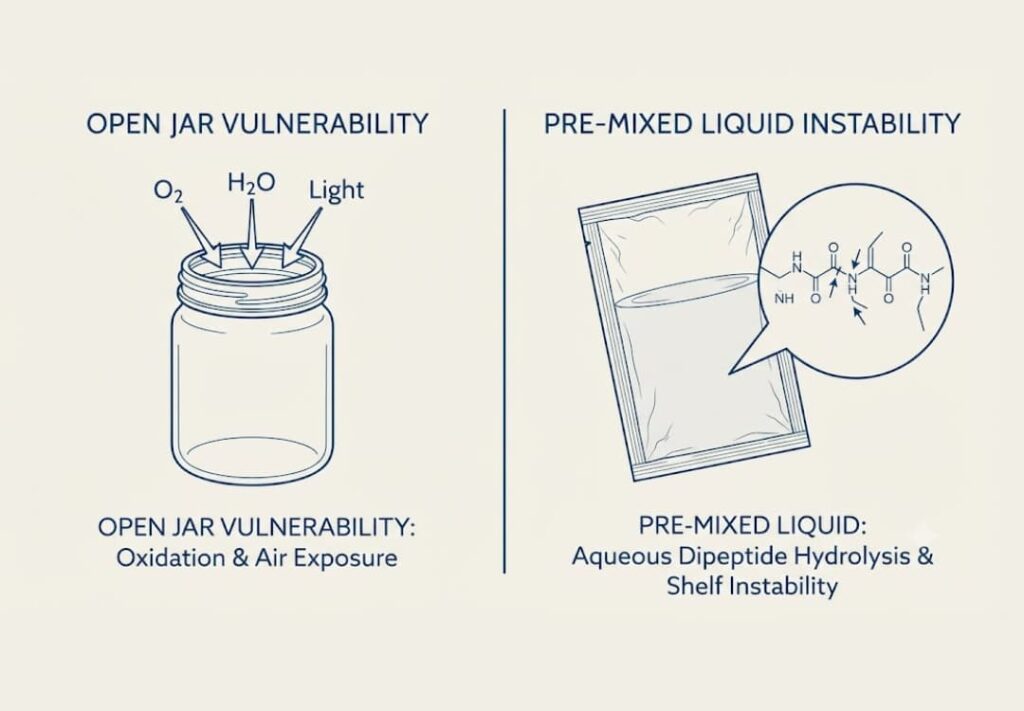
- Liquid vs powder: liquid collagen remains dissolved in water throughout its shelf life, making the peptides more vulnerable to hydrolysis and degradation over time.
- Quality verification: look for a batch-specific COA, transparent sourcing and traceability when evaluating a collagen supplement.
Why is Collagen Important, Especially As We Age?
Collagen is the body’s most abundant structural protein; its biological scaffold. It forms the connective tissue matrix that gives skin, bones, and joints their strength and elasticity. Our bodies make collagen naturally from amino acids such as glycine, proline, and hydroxyproline, but this process slows with age, making nutrition and synthesis support increasingly important.
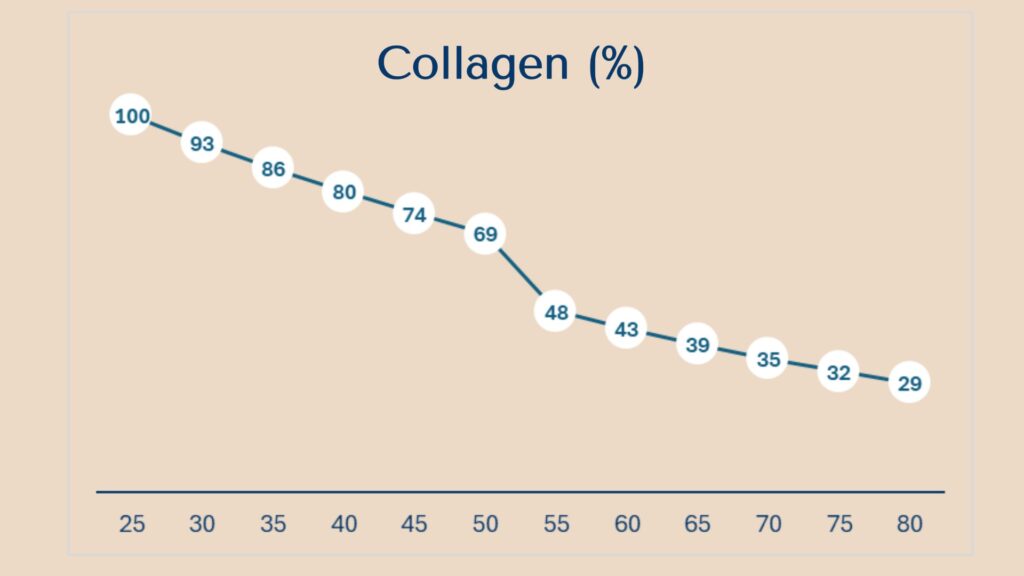
Collagen decline begins quietly in our mid-20s, around 1–1.5 % less each year, and can accelerate after menopause, with up to 30 % of skin collagen lost within the first five years. This reduction weakens skin structure and joint resilience. Supporting collagen renewal during this phase helps maintain elasticity and recovery capacity across tissues. [Skin Collagen Over Lifestages].
Which Collagen is Better Absorbed? Understanding Hydrolysis & Peptide Size
You’ll often hear that one collagen source (usually fish) is “better absorbed” than another. While this can hold true when comparing raw materials (fish skin vs. bovine hide, for example), the distinction largely disappears in hydrolysed collagen supplements.
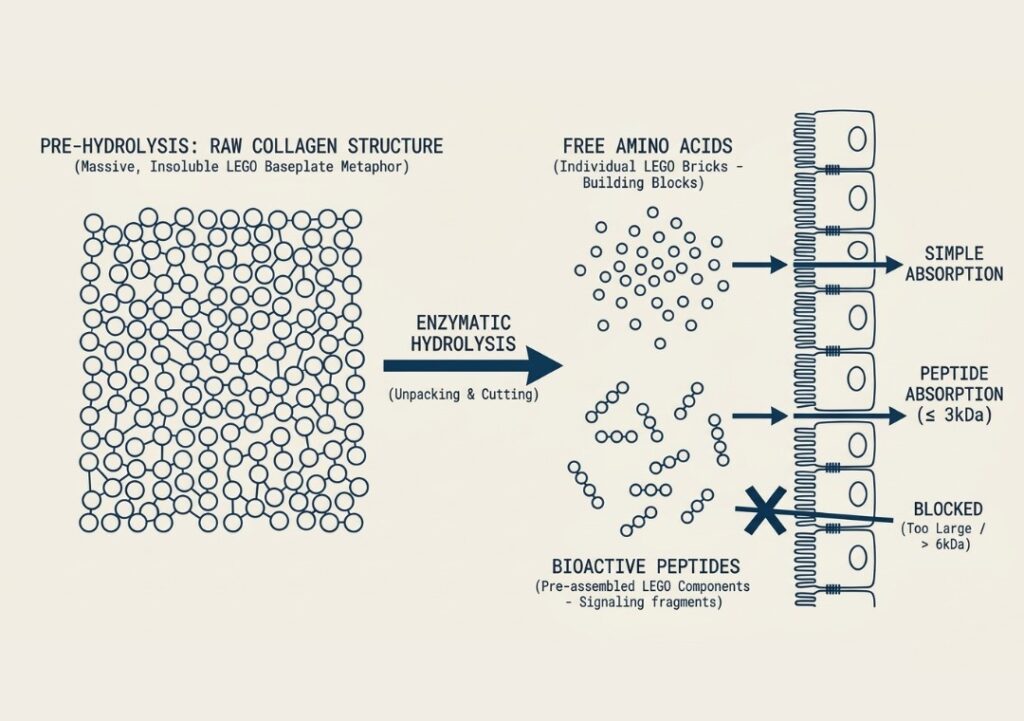
Once collagen is enzymatically hydrolysed, its origin matters far less than the degree of hydrolysis and resulting peptide size.
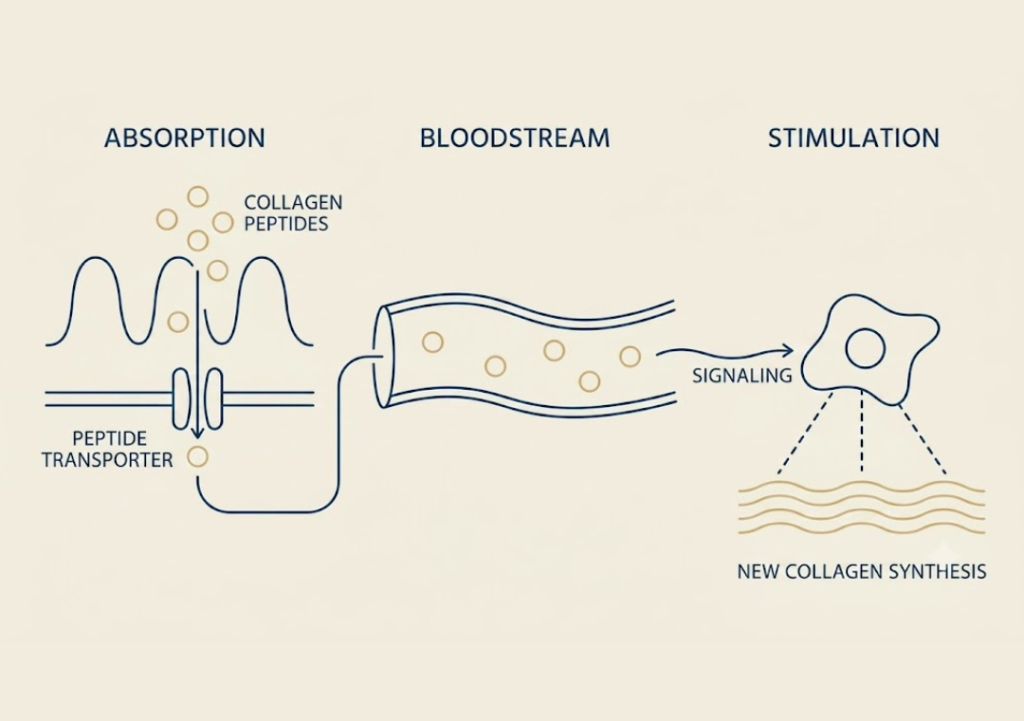
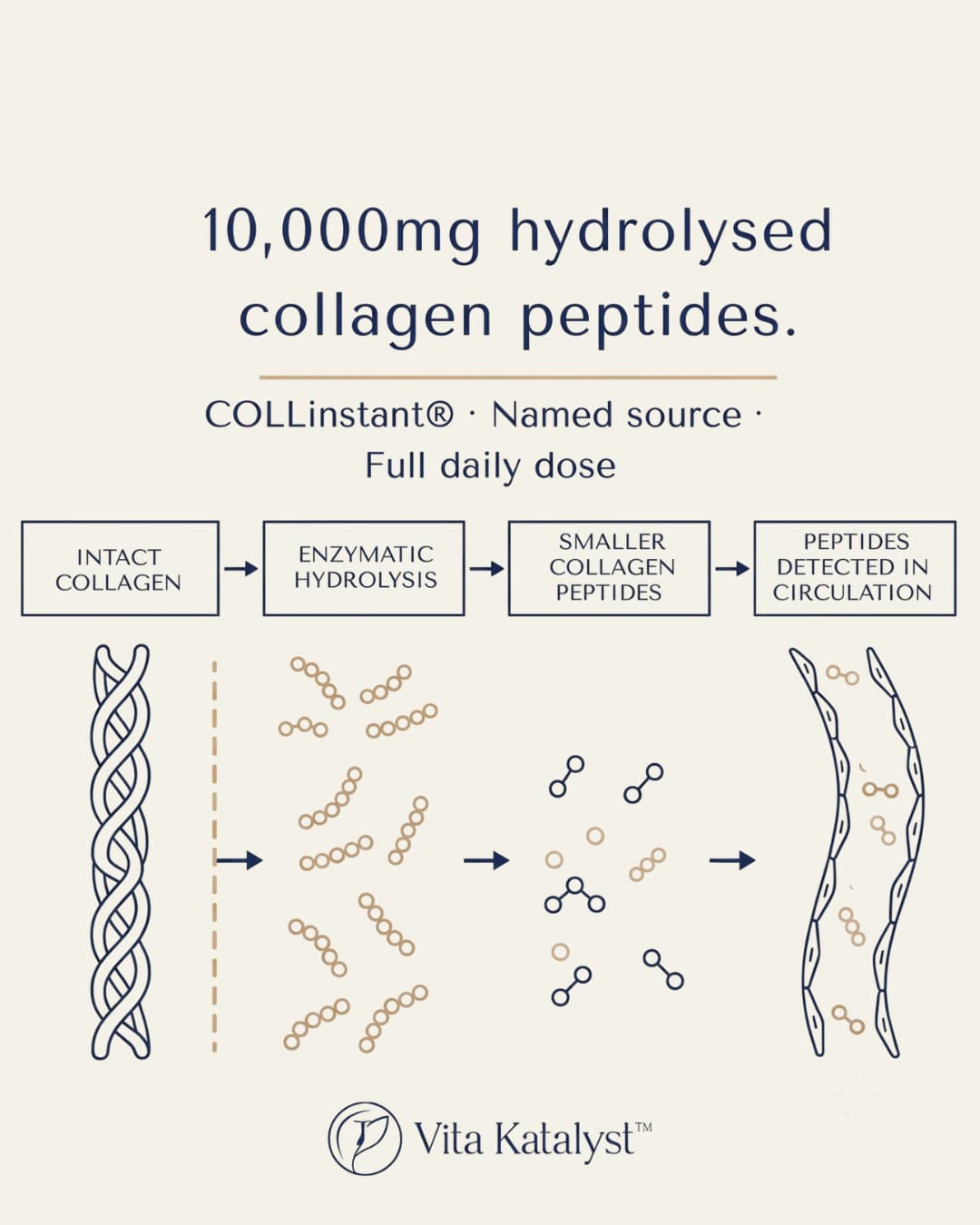
- Hydrolysis breaks collagen into smaller peptide chains, allowing absorption through the intestinal wall.
- Low molecular weight peptides (≤ 3 kDa) show the highest bioavailability.
- These bioactive peptides then act as signal molecules, stimulating fibroblasts to produce. [Hydrolysed Collagen – Sources and Applications].
How Do Collagen Peptides Work? The Science of Bioactivity
Collagen peptides don’t simply supply amino acids; they also deliver bioactive fragments that act as cellular messengers. Once absorbed into the bloodstream, these peptides reach the dermis and signal fibroblasts to up-regulate collagen, elastin, and hyaluronic-acid production. This dual action, building blocks + biological signalling, underpins the visible benefits seen in clinical trials. You can read more about the mechanism of bioactive collagen peptides in the article, (Bioactive Collagen Peptides: Science, Benefits & How to Choose).
Peptide biology is a rapidly evolving area of nutritional science. While collagen peptides are among the most extensively studied, researchers are also investigating bioactive peptides derived from milk, soy, spirulina and other dietary proteins to better understand their roles in human physiology. Watch the 60-second video, “Peptides Hype vs Biological Reality”, for a visual explanation of peptide signalling and bioavailability.
Or explore the wider science in (Bioactive Peptides and Healthy Ageing: How Protein Fragments Shape Skin, Muscle, and Metabolism).
Marine vs. Bovine Collagen: Which Supplement Source is Right for You?
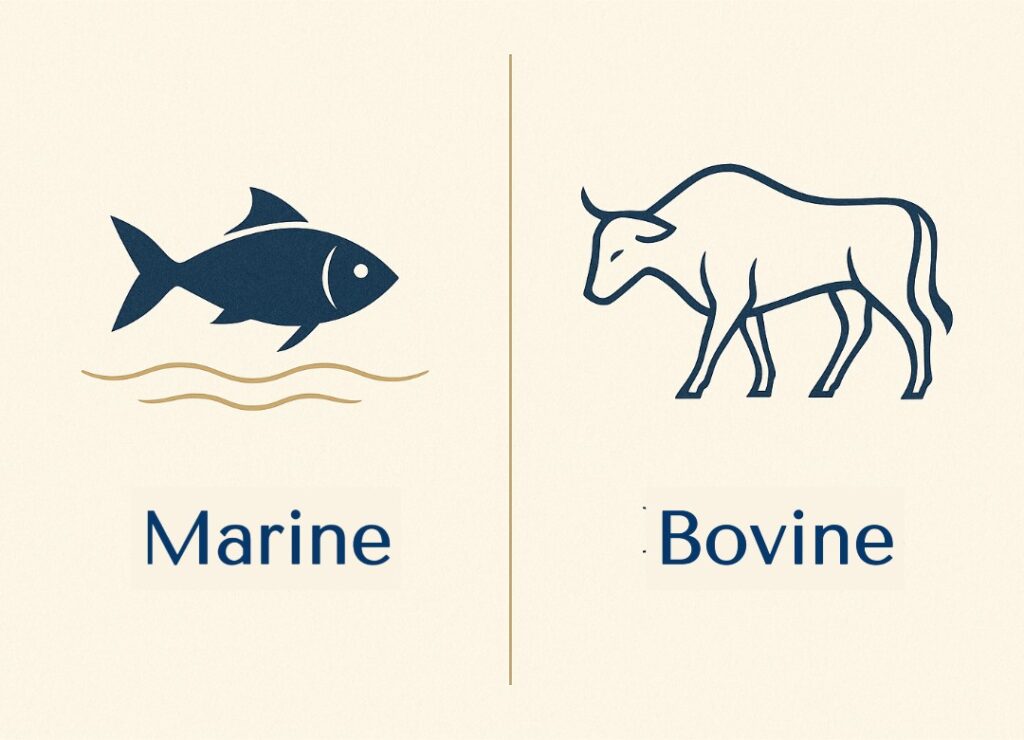
Both marine and bovine collagen are forms of animal collagen, which are commonly used in supplements.
What is Bovine Collagen?
Bovine collagen is derived from cattle, typically extracted from their hides. High-quality bovine supplements focus on providing primarily Type I and Type III collagen, reflecting the types most abundant in human skin, bones, and connective tissues. What matters more than the type is the peptides profile and whether they are absorbed and used or not.
What is Marine Collagen?
Marine collagen comes from fish, usually extracted from their skin and sometimes scales. It is predominantly composed of Type I collagen, making it a popular choice for those focusing specifically on skin benefits.
Marine collagen us often positioned as “superior” but the reality is more nuanced.
What are the Main Types of Collagen in the Body?
Nearly thirty collagen types exist, but three dominate human tissue architecture:
• Type I — ≈ 90 % of body collagen; forms skin, bones, tendons, and ligaments. Provides tensile strength and firmness.
• Type II — Main collagen of cartilage; cushions joints and supports smooth motion.
• Type III — Found alongside Type I in skin and blood vessels; adds elasticity and supports tissue repair. [Skin Collagen through the Lifestages].
Supplement sources mirror these structures: marine collagen provides mainly Type I, while bovine collagen supplies Types I + III for broader structural coverage.
What are the Benefits of Bovine vs Marine Collagen?
To nurture your joints and promote overall well-being during menopause, consider incorporating these scientifically supported supplements and nutrients into your daily routine.
- Marine Collagen (Type I)
Provides Type I collagen peptides, which contribute primarily to the strength and structural integrity of connective tissues, including skin, bone and tendons. - Bovine Collagen (Type I & III)
Provides both Type I and Type III collagen peptides, combining structural strength with support for the flexibility and elasticity of connective tissues.
✔ Both sources deliver bioactive peptides once hydrolysed (< 3 kDa).
✔ Outcomes depend more on dose (2.5–10 g/day) and duration (8–12 weeks +) than species.
✔ Across studies, skin hydration and elasticity improve modestly; evidence for hair and nails remains low-certainty.
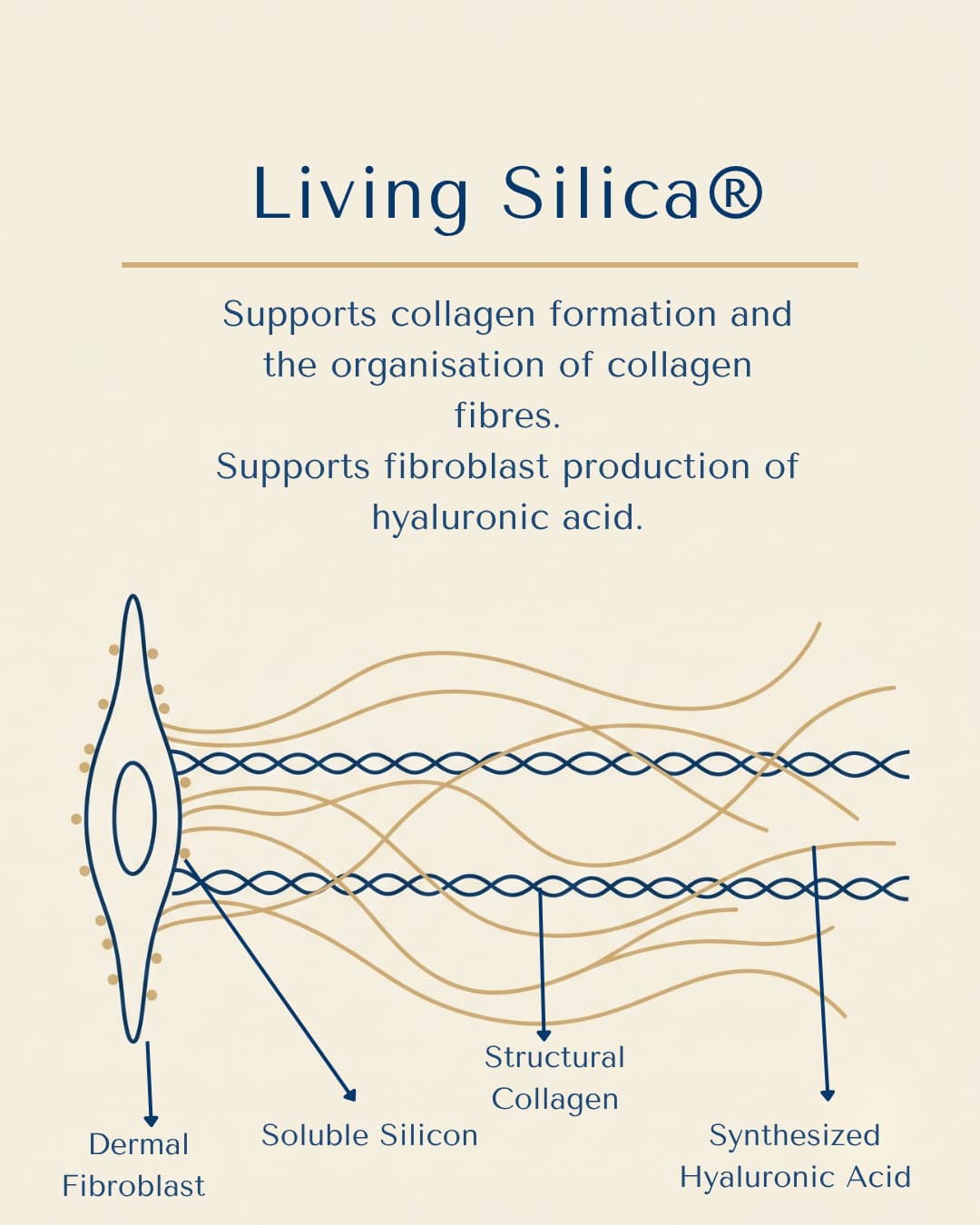
If hair health is a priority, it may be worth looking beyond collagen alone to a formulation that also contains well-studied nutrients and compounds relevant to hair structure. Bioavailable stabilised silicon, for example, has been investigated in human clinical trials, with research reporting improvements in hair thickness and tensile strength.
Read more about bioavailable stabilised silicon (Living Silica) and why we included it in the Collagen Cofactor Complex™
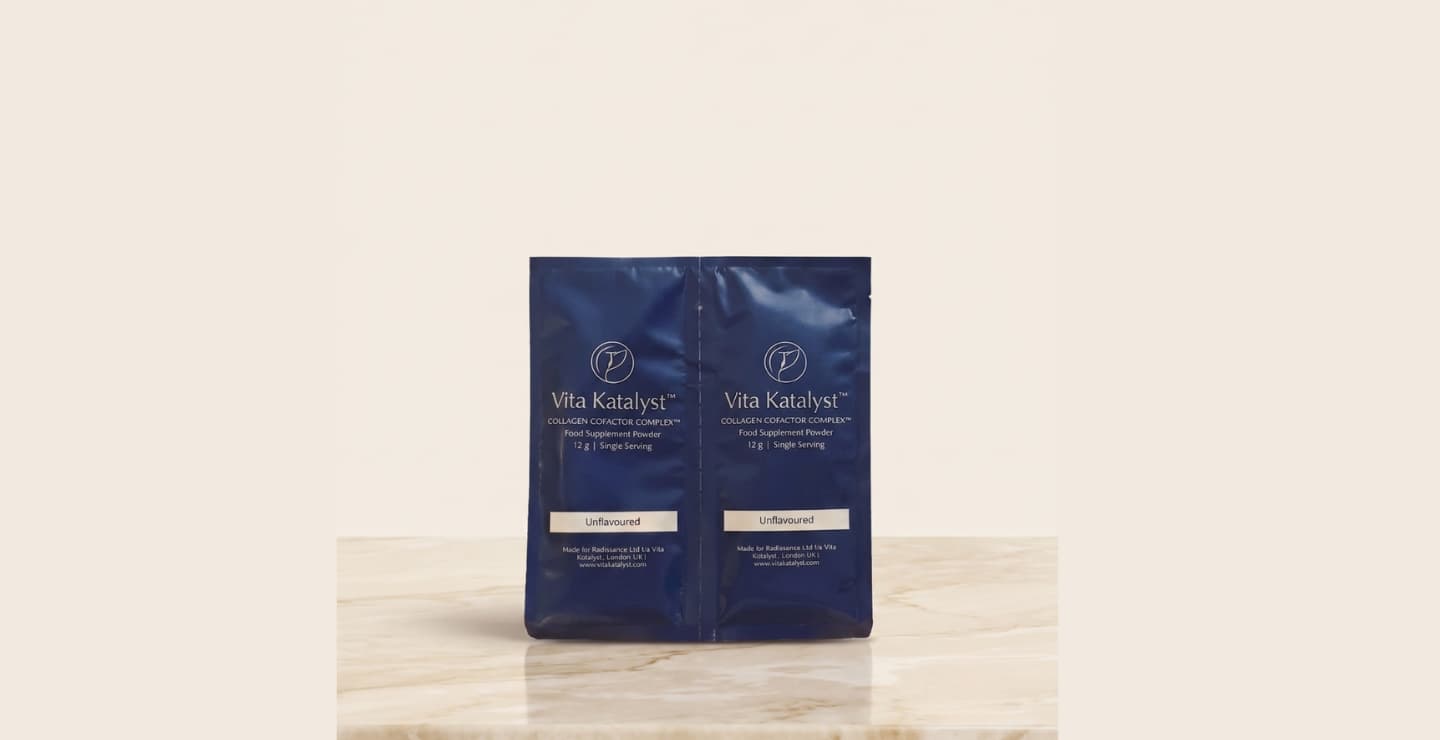
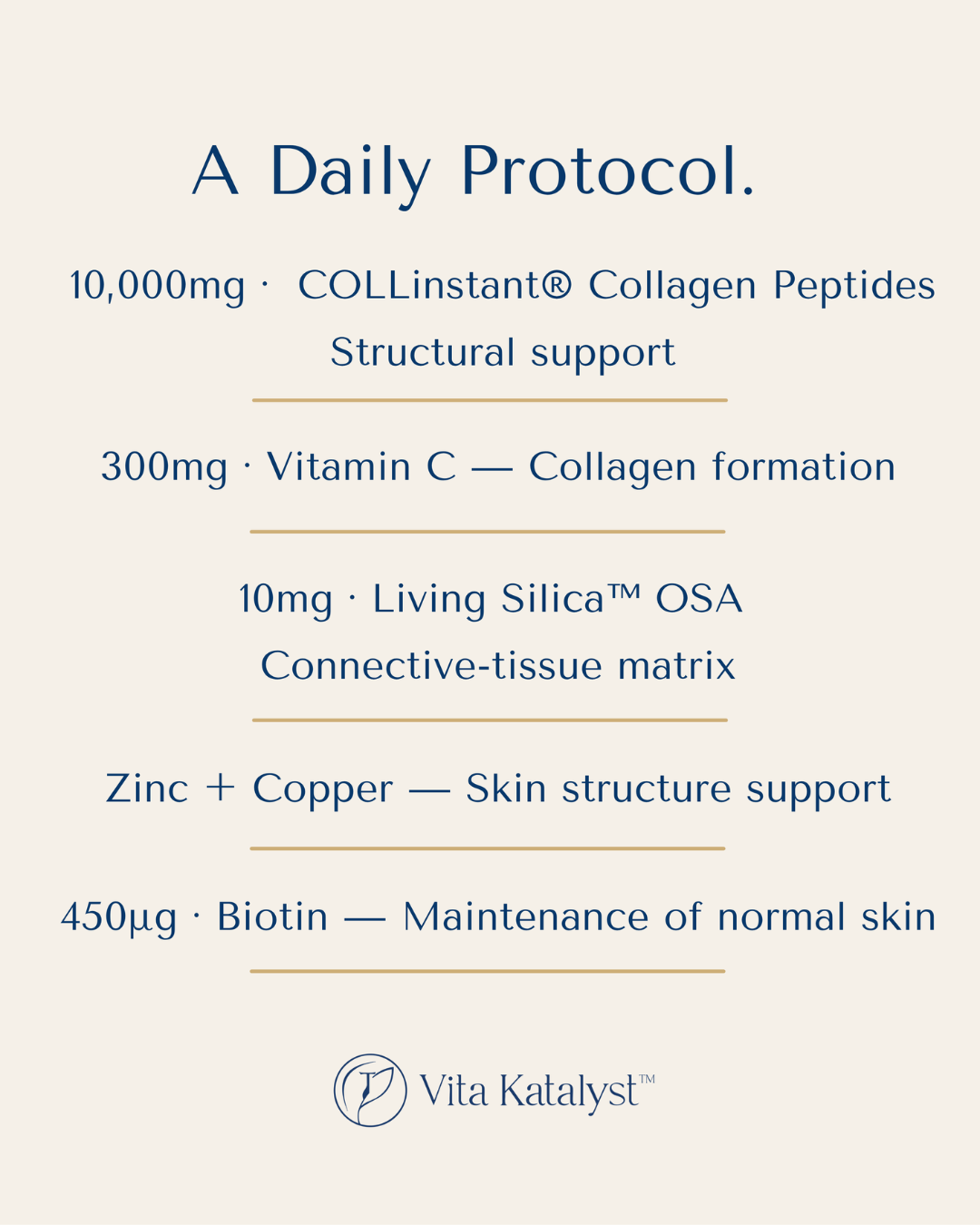
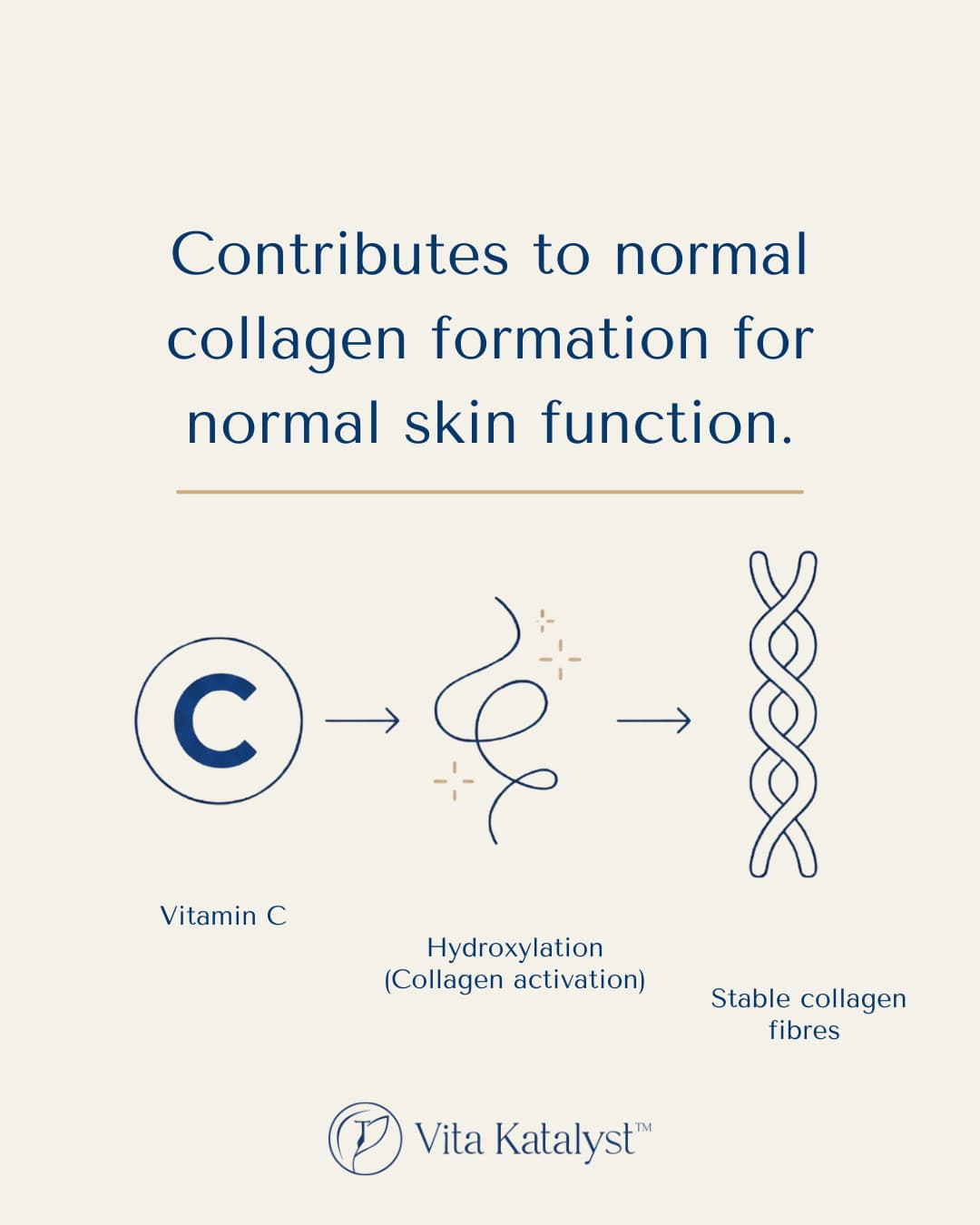
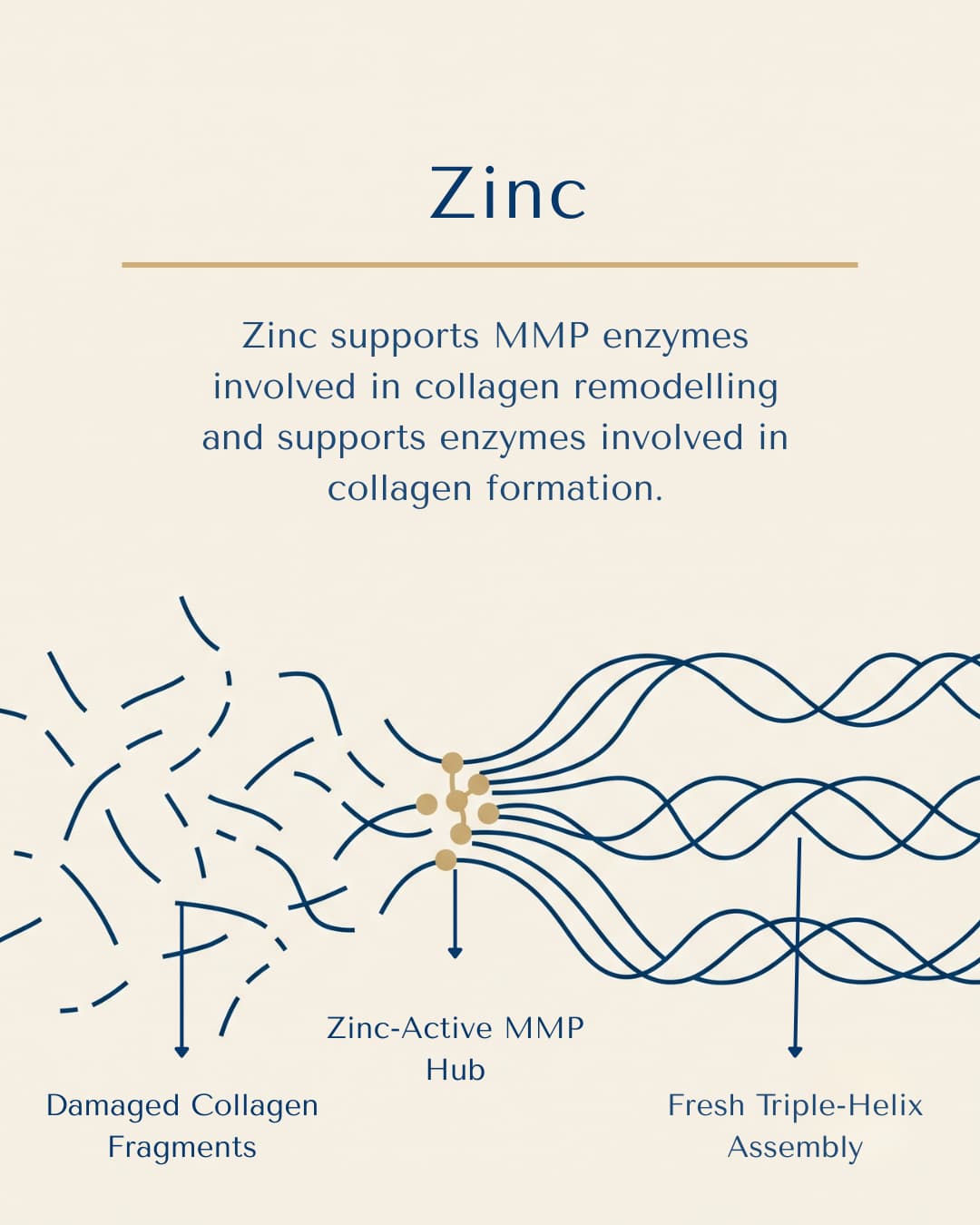
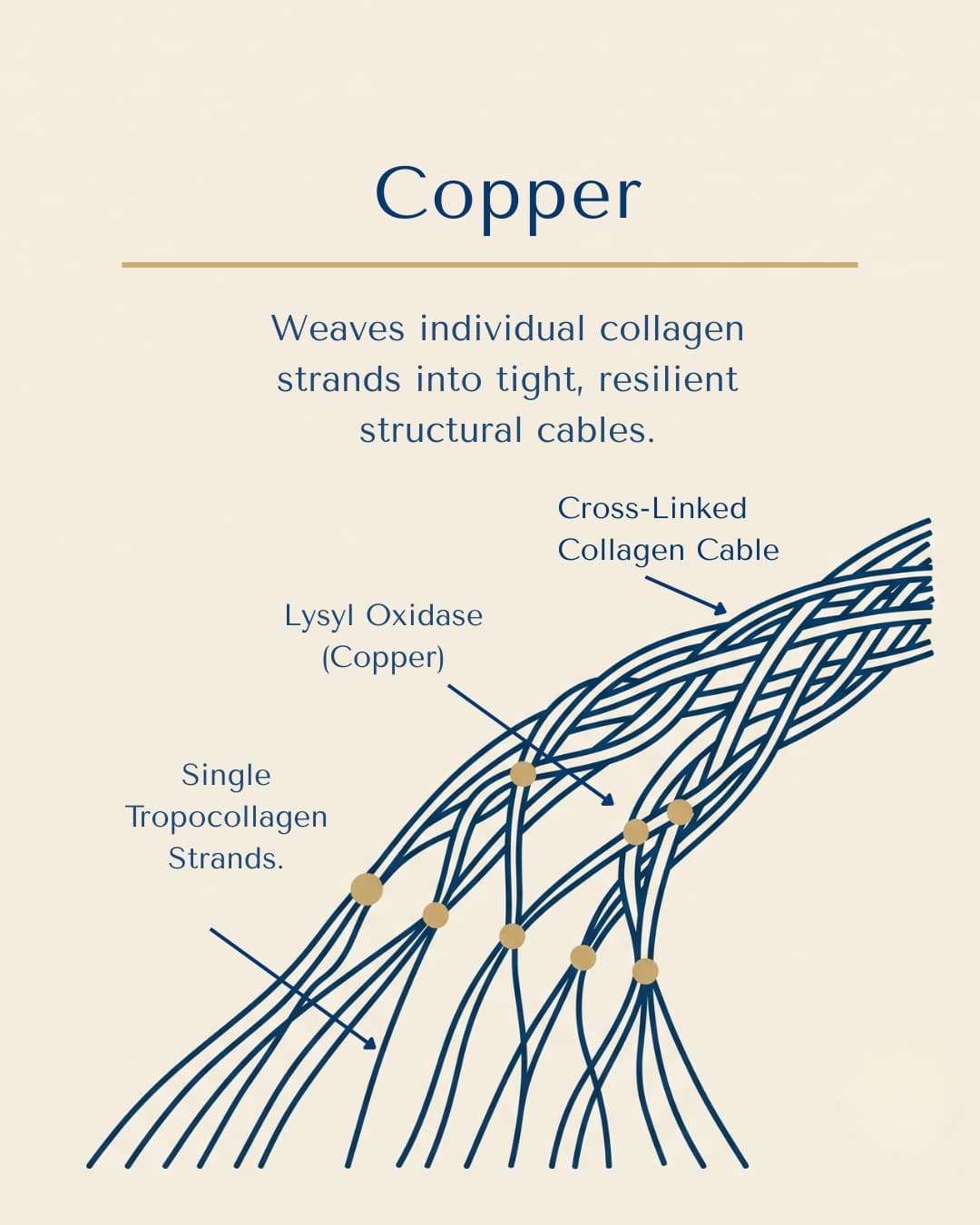
Bioactive collagen peptides act as signalling molecules, prompting fibroblasts to produce new collagen. Vita Katalyst™ Collagen Cofactor Complex™ combines 10 g of low molecular weight COLLinstant® peptides with clinically dosed, highly bioavailable cofactors selected to support normal collagen formation.
A Note for Male Readers
The marine-versus-bovine choice does not differ fundamentally by sex, the same Type I vs Type I & III logic applies. Where men’s typical priorities skew toward joints, tendons and recovery in addition to visible facial skin, the broader connective-tissue coverage of bovine Type I & III is often the more direct fit. The dose, molecular weight rules and halal/kosher considerations discussed above apply without modification.
You can read more about existing and new studies in to the Benefits of Collagen Supplement article.
How Proteins Split: Enzymatic vs. Chemical Hydrolysis
The bioactivity of a collagen peptide relies entirely on how its native protein chains are cleaved (split).
Premium formulations utilize controlled enzymatic hydrolysis, a low-temperature process employing target-specific enzymes to cleanly sever peptide bonds. This preserves the precise, delicate amino acid sequences (such as Pro-Hyp and Hyp-Gly) required to signal cellular fibroblasts.
Conversely, commodity collagen frequently relies on harsh chemical (acid or alkali) hydrolysis. This aggressive, high-heat method randomly fragments the protein matrix, causing thermal degradation that often requires subsequent industrial bleaching and deodorization to mask the resulting off-color and bitter taste. True biological efficacy values structural, gentle processing over artificial aesthetic refinement.
Understand how collagen is actually rebuilt, not just supplemented
You’ve just done more research than 95% of collagen buyers. The next question isn’t marine or bovine; it’s whether your body has what it needs to use either one. That’s what Vita Katalyst was built around.
Collagen Supplement in the UK: What the Regulations Do and Don’t Require
In the UK, food supplements are regulated as foods, not medicines, under the Food Supplements (England) Regulations 2003. This means that unlike pharmaceutical products, supplements do not require pre-market approval, independent safety testing, or mandatory quality verification before reaching shelves.
This does not mean most manufacturers are operating unsafely. But it does mean that the burden of verification falls on the consumer, or on brands who choose to hold themselves to a higher standard voluntarily.
The UK Food Standards Agency (FSA) monitors baseline food safety but does not require pre-market testing for heavy metal contamination or microbial loads. Under current UK and EU food law, there are no mandatory statutory limits for total bacterial counts, yeasts, or moulds in food supplements, and Regulation 2023/915 enforces no blanket ceiling for Arsenic. Because industrial refining processes isolate nutrients into uniform, dehydrated powders, they strip away the sensory indicators, such as scent, texture, and taste, that human biology naturally evolved to rely on. In this state of structural sensory isolation, batch-specific laboratory analysis is the only objective metric available to verify purity.
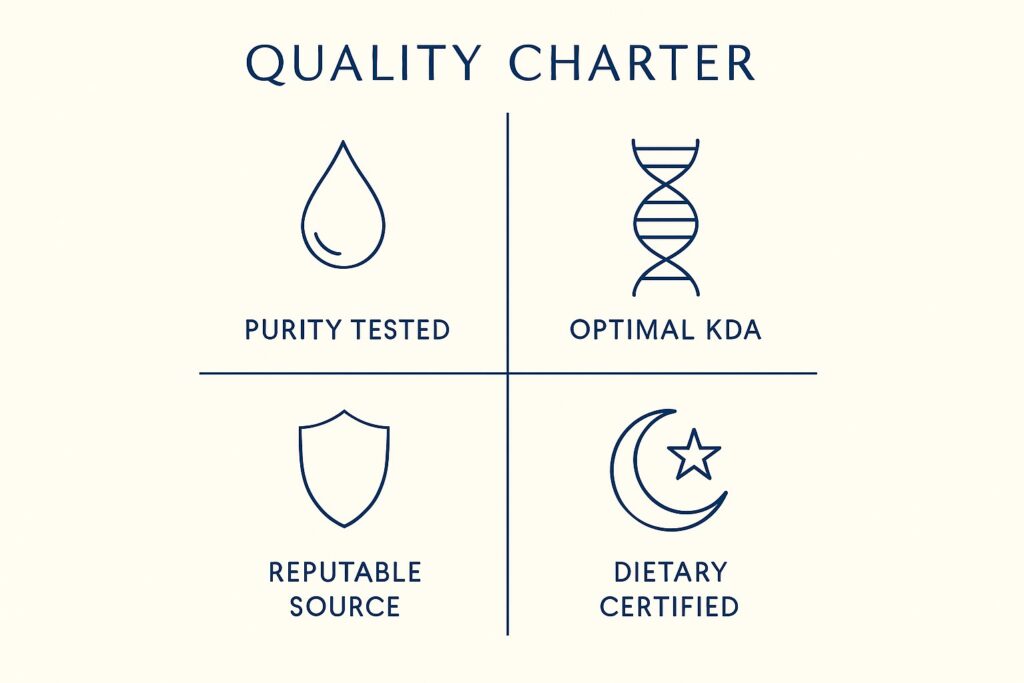
Quality means low-molecular-weight peptides (≤ 3 kDa), third-party Certificate of Analysis (COA) for purity, and transparent sourcing. To understand what are COAs and their importance espcially in the supplements industry visit our Transparency Hub->
What to look for when evaluating a UK collagen supplement:
- Named ingredient source: Is the collagen from a named, documented raw material supplier, or listed generically?
- Exact dosages disclosed: Are all active ingredients and cofactors listed with precise milligram doses, or hidden in proprietary blends?
- Third-party COA: Is a Certificate of Analysis from an independent, ISO 17025 accredited laboratory available and batch-specific?
- Testing standards: Does the COA reference pharmaceutical standards (Ph. Eur., ICH Q3D) or only food-grade minimums?
Are Bovine and Marine Collagen Halal or Kosher?
Certification checklist:
Bovine collagen: Halal and Kosher certifications widely available in EU-sourced products — verify certificate number and auditor.
Marine collagen: Kosher only if fish has fins & scales; Halal requires approved processing aids and traceable source.
Vita Katalyst uses COLLinstant® Bovine collagen, which is certified Halal and Kosher, ensuring suitability for individuals following these practices.
Collagen Delivery: Powder, Liquid or Capsules?
Most clinical studies showing the benefits of collagen use hydrolysed collagen peptides dissolved in water at the time of consumption. Ultimately, the most critical factors are the quality of the peptides, the clinically effective dose, and the overall formulation, not whether a product is taken as a powder, liquid, or capsule. You can read more about the evidence in (Do Collagen Supplements Really Work? A Transparent Look at the Evidence).
Capsules and gummies are limited in how much collagen they can deliver, making it difficult to reach the 5–10 g daily doses commonly used in clinical research. Powders and ready-to-drink liquids are both capable of providing these amounts, but they behave very differently on a retail shelf:
Structural Stability
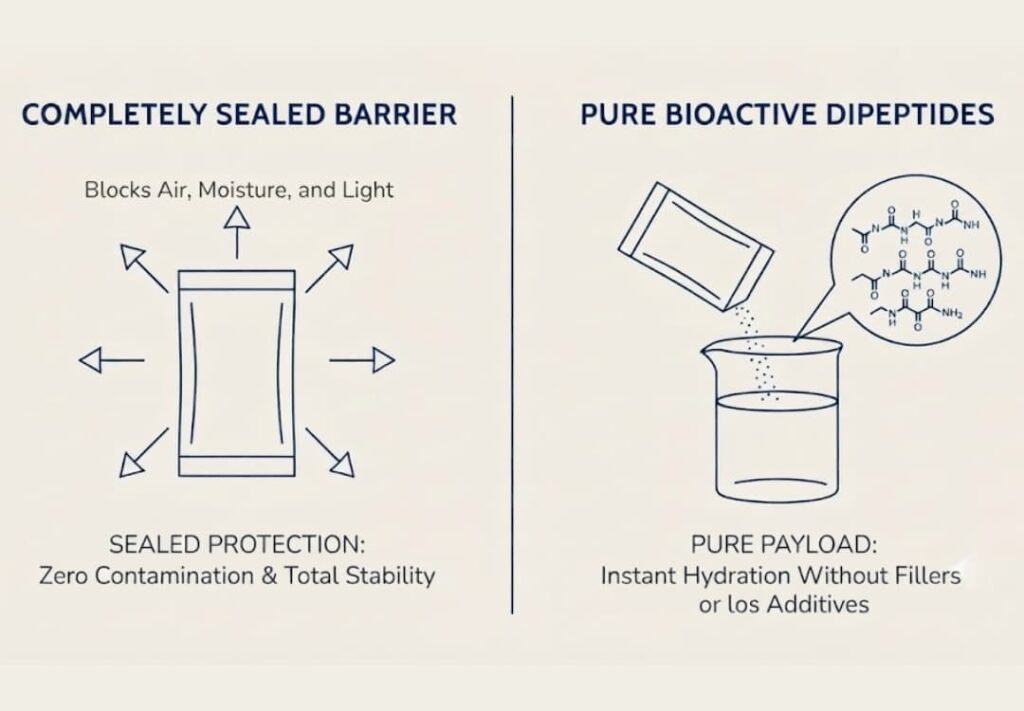
In an aqueous (water-based) environment, protein peptides are vulnerable to slow hydrolysis and degradation over long shelf-lives. Pre-mixed liquids also require pH adjustments or preservatives to prevent spoilage. Dry powders keep bioactive dipeptides entirely uncompromised until the exact moment you mix them with water.
Purity
Liquids require heavy masking agents and thickeners to remain palatable over time, whereas dry powders deliver the active payload without unnecessary fillers
Packaging matters just as much as format. Individually sealed powder sachets protect ingredients from repeated exposure to air, light, and moisture. This is especially critical for sensitive co-factors like vitamin C; even advanced or liposomal forms degrade and lose antioxidant potency when housed in jars that let in air and humidity with every opening. By sealing each serving until consumption, sachets maintain peak potency throughout the product’s shelf life while outperforming bulky jars.
How to Choose the Best Collagen Supplement for You?
Many people search for the “best” collagen supplement, but the ideal choice truly depends on your individual needs, goals, and values. Instead of seeking one single “best” product, focus on understanding the key quality indicators that contribute to effectiveness and safety.
Consider these factors when making your choice:
- Collagen Types: Do you want broad support (Type I & III, common in Bovine) or primarily Type I (common in Marine)? Align the type with your primary goals (e.g., skin, joints, overall).
- Hydrolysis Method & Molecular Weight: As discussed, effective enzymatic hydrolysis yielding low molecular weight peptides (ideally <3kDa) is paramount for bioavailability. Look for brands that specify this.
- Source Reputation & Transparency: Choosing collagen from established manufacturers with expertise provides greater assurance of consistent quality and adherence to safety standards.
- Formulation & Format: Consider if you prefer pure collagen or a formula with added synergistic nutrients. Also think about convenience supplements come in various formats like large tubs of powder, ready-to-drink liquids, or easy-to-use single-serving sachets.
Collagen Checklist: What Actually Matters When Choosing
Bovine: batch COA, amino-acid profile, named supplier, processing facility; raw materials from EU Category 3 hides (low BSE risk; processed per Reg. (EC) 999/2001 & 1069/2009).
Bovine: herd/hide origin + process route; lot/batch traceability (QR acceptable).
Bovine: Halal/Kosher commonly available—verify current certificate.
Bovine: no fish allergen; BSE risk controlled by regulation.
Lower-molecular-weight peptides (≈ ≤ 3 kDa) show stronger bioactivity and fibroblast signalling; post-hydrolysis, purity + MW + dose matter more than species.
The gap between what the law requires and what rigorous testing looks like is significant. A supplement that lists “collagen peptides” without source, dose, or COA tells you almost nothing about what you are actually consuming. To view the exact pharmaceutical-grade limits, visit our Transparency Hub.
Marine vs Bovine Collagen: Key Takeaways for Your Choice
Collagen products are classified as food supplements and are intended to complement, not replace, a balanced diet. Taking collagen supplements may offer potential health benefits due to the amino acids and peptides they provide, and whilst there are few studies done into its benefits more research is needed to fully understand their effects. By understanding the science and prioritizing quality processing, you can confidently select a collagen supplement that aligns with your values and supports your journey towards holistic wellness and radiance from within.

Frequently Asked Questions (FAQs)
Not necessarily. Absorption depends primarily on the molecular weight of the collagen peptides, achieved through hydrolysis. High-quality bovine collagen hydrolyzed to a low molecular weight (<3kDa) can be absorbed just as effectively as similarly processed marine collagen
Both Type I and Type III collagen are crucial for skin health. Type I provides the main structure, while Type III contributes to elasticity and is important in tissue repair. Bovine collagen typically provides both, while marine collagen is primarily Type I. Furthermore, essential vitamins and minerals including Vitamin C, Zinc, and Copper act as necessary co-factors for your body’s own collagen and elastin synthesis. To potentially optimize the effectiveness of supplementation for skin health, consider formulations that also include these supportive nutrients.
Yes, the COLLinstant® Bovine collagen used in Vita Katalyst products is certified Halal and Kosher.
High-quality bovine collagen peptides are generally considered safe with few side effects for most people. As with any supplement, if you have specific health conditions or concerns, it’s always best to consult your healthcare provider. Ensuring the product is sourced reliably and tested for purity minimizes risks.