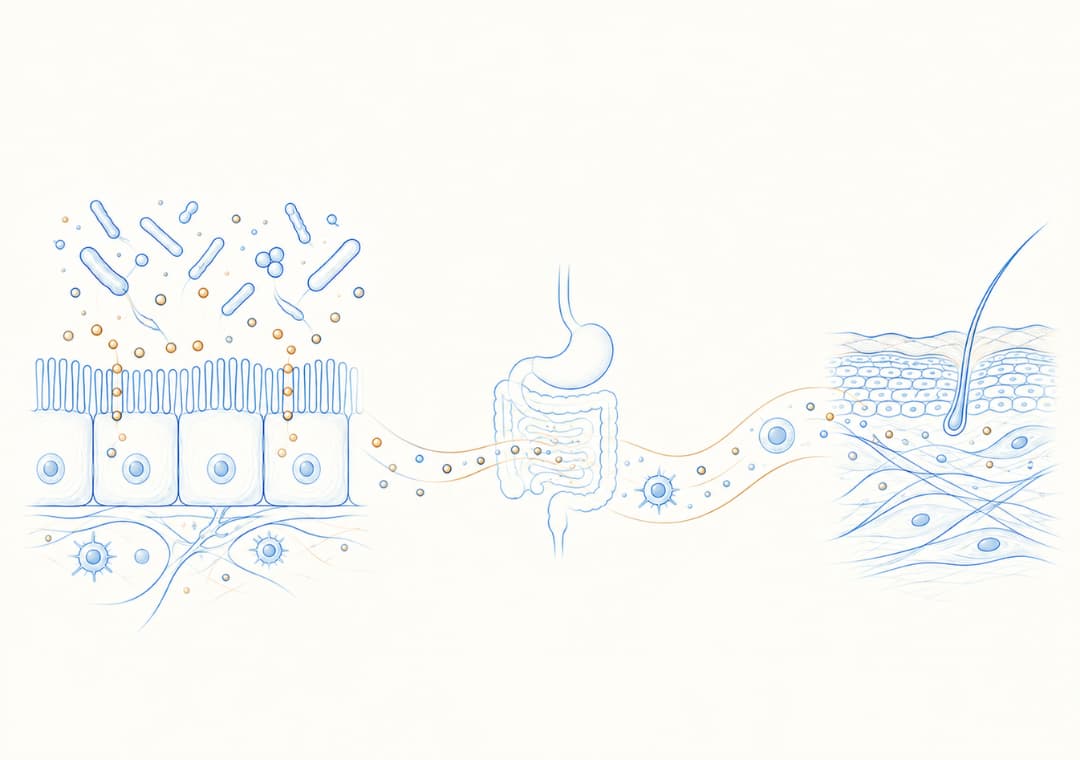

For too long, the search for healthy skin has focused only on the surface. The true key to lasting resilience lies deeper. The skin is composed of multiple layers, each with specific functions; protecting against environmental damage, retaining moisture, and supporting overall skin health. The outermost layer, known as the skin barrier, acts as the first line of defense.
The Gut-Skin Axis, Microbiome Diversity, and Dermal Radiance
- The Leakage Loop: The gut-skin axis is a bidirectional system where intestinal permeability allows LPS toxins to trigger “inflammaging”—a state of chronic inflammation that manifests as skin sensitivity and accelerated collagen breakdown.
- Metabolic Signaling: A diverse microbiome produces Short-Chain Fatty Acids (SCFAs) that act as anti-inflammatory signals, regulating the immune response and maintaining the integrity of the skin barrier.
- Structural Synergy: Collagen Types I and III are foundational to both the skin dermis and the intestinal wall; supporting collagen renewal reinforces the “biological border” of both systems simultaneously.
- The Dual-Axis Defense: Micronutrients like Zinc play a mechanical dual role: regulating MMP enzyme activity in the skin to prevent degradation while supporting the structural “tight junctions” of the gut lining.
- The Axis Goal: Radiance is not a surface-level phenomenon, but a downstream output of metabolic diversity and a balanced, non-permeable gut barrier.
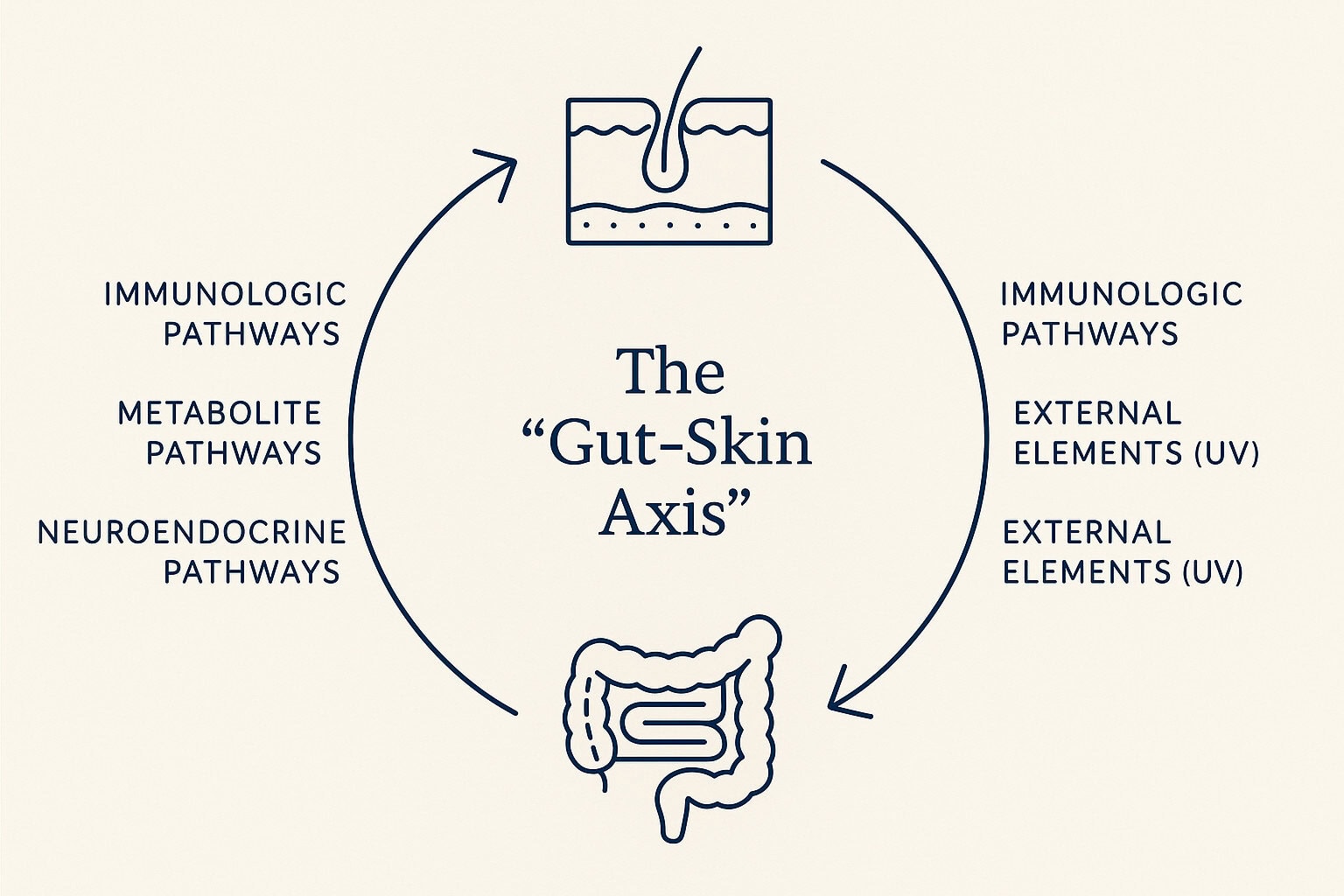
Modern science is now confirming what ancient traditions intuited: the gut–skin axis. This bi-directional conversation between your digestive system and your skin helps determine how calm, elastic, and structurally sound your skin remains throughout life.
What is the Gut-Skin Axis?
So, what exactly is the gut-skin axis?
The gut–skin axis is the continuous dialogue between your gut microbiome and your skin. The gut is home to trillions of microorganisms (bacteria, fungi, and viruses) that influence digestion, immunity, and inflammation control. These microbes reside throughout the gastrointestinal tract, where they interact with the body’s systems.
When the microbiome is diverse and balanced, good bacteria help maintain immune balance and barrier integrity across the body; including in the skin. When disrupted, it can send inflammatory signals that show up as breakouts, dryness, or accelerated signs of aging [Gao et al., 2023].
Maintaining a diverse and balanced gut microbiome is the essence of good gut health. When this internal environment is thriving, it sends signals that help keep your skin healthy.
Gut Dysbiosis and Skin Inflammation
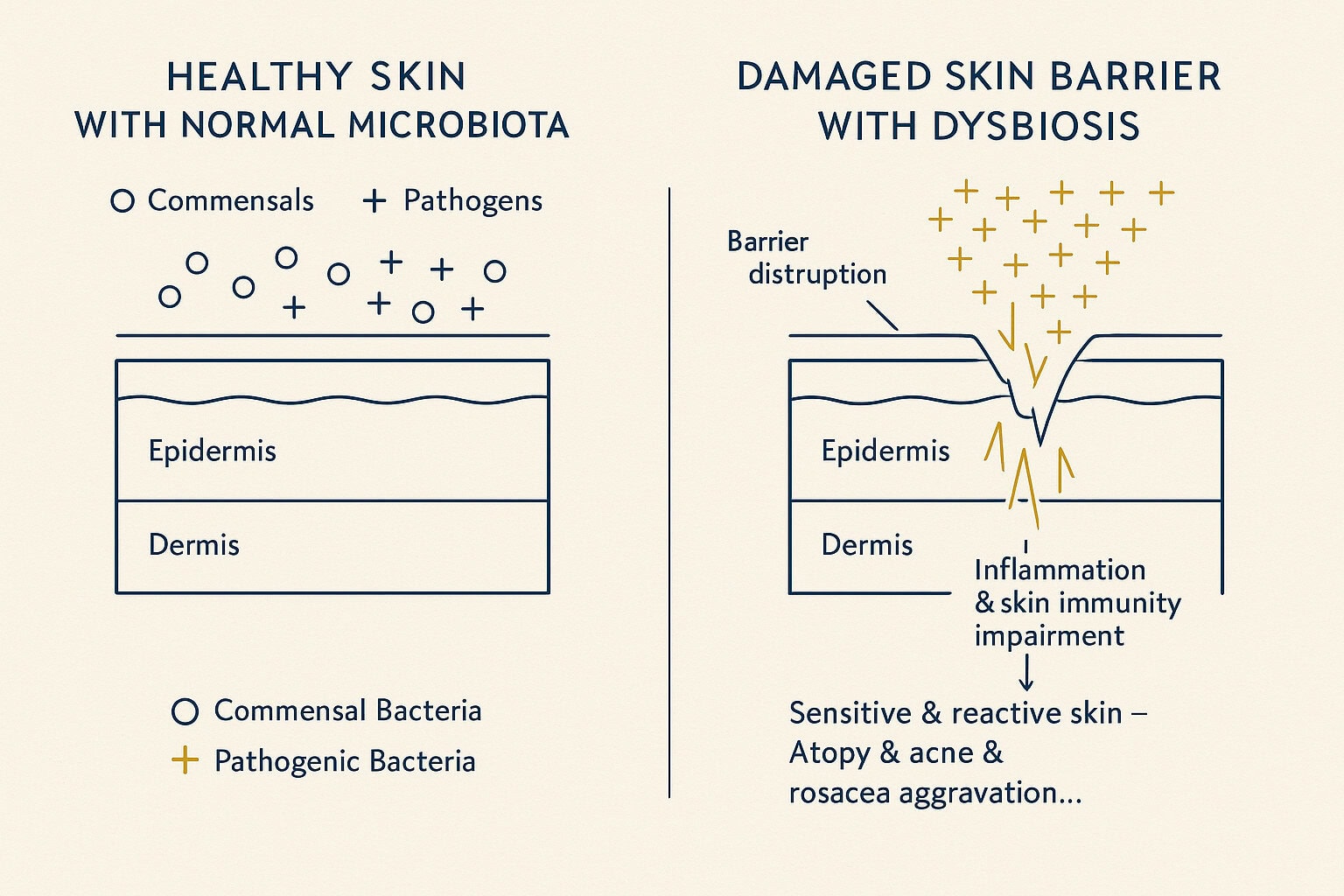
When the delicate balance of the gut microbiome is disturbed, a state called dysbiosis, it can compromise the intestinal lining. This sometimes increases permeability (“leaky gut”), allowing irritants and toxins into the bloodstream. The resulting immune response drives systemic inflammation, which often shows up in the skin. Common symptoms that may indicate underlying gut issues include redness, itching, or flaking. [Gao et al., 2023]
This inflammation is a central feature of conditions like acne, eczema, psoriasis, and rosacea, as well as other skin conditions that may be influenced by gut health. Research also suggests altered gut bacterial composition, such as shifts in Firmicutes and Bacteroidetes, may contribute to acne severity. Inflammation from gut dysbiosis can lead to the development or worsening of skin disease.[Bowe & Logan, 2011]
A UK Context: Ultra-Processed Food and the Dysbiosis Default
The dietary patterns most associated with gut dysbiosis, low fibre, high refined carbohydrate, high emulsifier load, are structural features of the UK food environment. More than half of the calories purchased by UK households derive from ultra-processed foods, placing the UK at the extreme end of European consumption data. [NDNS / Monteiro et al.]
Ultra-processed foods are typically depleted of the dietary fibre that gut bacteria ferment to produce the SCFAs discussed above, regulate intestinal barrier integrity and suppress the systemic inflammation that manifests in the skin. The leaky gut and inflammaging mechanisms described in this article are not abstract risks. For most UK adults, they are the likely default consequence of a diet the food environment makes structurally easy to consume.

Is your gut microbiome affecting your skin?
The gut-skin axis is highly individual. What shows up on the surface often reflects what’s happening deeper. 12 questions. Immediate insight into whether your gut health may be driving your skin concerns. Take the Gut-Skin Assessment
Collagen Breakdown & Inflammaging
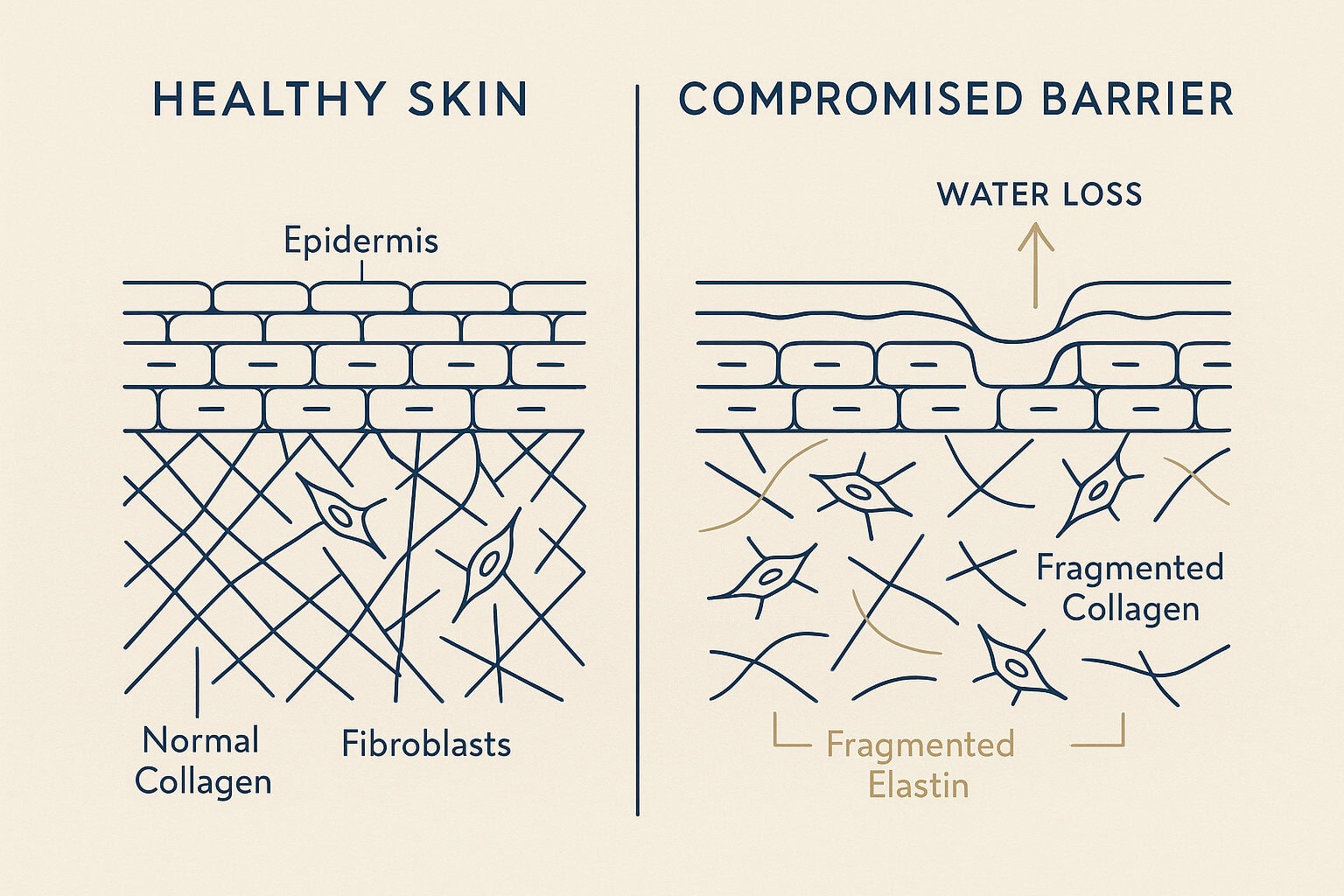
Chronic, low-grade inflammation, sometimes called inflammaging, accelerates visible aging. In the skin, this often takes the form of increased collagen breakdown. Collagen is the most abundant protein in the body, providing structure and strength to connective tissues such as skin, bones, and tendons. (Does The Sun Break Down Collagen? Understandin:g UV, Collagen Breakdown & MMPs)
One key pathway involves enzymes called matrix metalloproteinases (MMPs), particularly MMP-1, which degrade collagen fibers. These enzymes break down the protein structure of collagen fibers, weakening the skin’s support. Elevated MMP activity is linked to wrinkles, sagging, and loss of elasticity. Dysbiosis-driven inflammation can worsen this process. As we age, the body naturally produces less collagen, which contributes to visible signs of aging.
By contrast, a balanced microbiome produces short-chain fatty acids (SCFAs), such as butyrate, that calm inflammation, protect the gut lining, and indirectly preserve collagen integrity. Read more about SCFA’s in (How SCFAs Build Your Foundation for Wellness).
Nutrients like vitamin C and amino acids are essential for collagen production, and consuming foods rich in these nutrients supports the body’s ability to synthesize strong collagen proteins. You can read more about SCFAs and butyrate benefits in (Butyrate Benefits: Its Role in Gut and Overall Health).
Chronic inflammation can damage connective tissue and impair the body’s natural repair processes [Gao et al., 2023].
UV radiation is the most extensively studied external trigger of MMP upregulation, but as this article explores, it is not the only one. See how UV-driven MMP activation compares to the gut-inflammation pathway.
The Gut Lining Itself Is a Collagen Structure
The intestinal wall is not only a gateway for systemic inflammation, it is itself a collagen-dependent structure. Type I and Type III collagen form the primary fibrillar scaffold of the gut lining, with the intestine comprising approximately 70% Type I and 27% Type III collagen. Type III, in particular, provides the flexible, elastic quality that allows the gut wall to contract and expand while maintaining structural integrity.
When dysbiosis and the inflammation it drives compromise this collagen scaffold, the result is a weakening of the tight junction proteins, claudin, occludin, and ZO-1, that seal the spaces between intestinal epithelial cells. Alongside collagen, glutamine plays a distinct and critical role in barrier maintenance. As the preferred fuel source for rapidly dividing enterocytes and colonocytes, glutamine is required for cell proliferation, tight junction protein expression, and mucosal repair.
Research has demonstrated that glutamine deprivation significantly increases intestinal permeability and reduces the expression of the same tight junction proteins that dysbiosis disrupts. Glycine, the most abundant amino acid in collagen, additionally contributes anti-inflammatory signalling within the gut mucosa. The gut lining, in other words, is not merely a passive barrier that inflammation damages. It is an active structural system, and the amino acid composition of that system matters.
For a detailed look at how the Collagen Cofactor Complex™ was designed to support multi-system collagen renewal — including cofactor selection for both synthesis and cross-linking — see the Formulation Methodology →
The Crucial Link: Gut Health, Skin Barrier, and Radiance
While dysbiosis highlights the problems, a balanced gut offers profound benefits for your skin’s health, barrier function, and overall radiance. Improved gut health can enhance blood flow to the skin, supporting its health and appearance. Here’s how gut health and skin vitality are positively linked, including the importance of protecting the skin barrier from environmental damage.
Stronger Skin Barrier Function
Strengthened Skin Barrier: A healthy gut microbiome helps regulate your immune system and keep inflammation in check. This internal calm supports the integrity of your skin barrier – your first line of defence against environmental aggressors like pollution and microbes. The skin is composed of multiple layers, with the outermost layer known as the stratum corneum acting as the primary barrier. The stratum corneum, made up of corneocytes and lipids, is essential for maintaining hydration and protecting against environmental damage. If the skin barrier is compromised, it can lead to adverse effects such as increased sensitivity, dryness, and susceptibility to irritants. A strong barrier is better at retaining moisture and resisting irritation, contributing to smoother, more resilient skin. [Gao et al., 2023]
Nutrient Absorption for Radiance
Enhanced Nutrient Absorption: Your gut is where essential nutrients for skin health are absorbed. Vitamins A, C, and E, omega fatty acids, and antioxidants are crucial for skin repair, protection against oxidative stress, and maintaining elasticity. The best foods for gut health can vary from person to person, so tailoring your diet to your individual needs helps optimize both gut and skin health. A well-functioning gut ensures your body – and therefore your skin – receives these vital building blocks for radiance. [Sala et al., 2020]
A thriving gut supports nutrient absorption (e.g., vitamin C, omega-3s) that promote skin repair and collagen.
Probiotics & Prebiotics: Microbiome Allies for Skin Health
Probiotics: Introducing Beneficial Bacteria
Probiotics are live microorganisms that, in adequate amounts, support gut balance. Specific strains such as Lactobacillus casei and Bifidobacterium species have been studied for their ability to regulate inflammation and may reduce the severity of acne, eczema, or dry skin by supporting immune balance and barrier strength.
The best foods for gut health vary for each individual, but incorporating a variety of probiotic-rich foods—such as fermented food options—can help support a healthy microbiome.
However, not all probiotics are equal. Strain specificity and dosage matter, and bioavailability of supplements can vary. While supplementation can be beneficial, food sources of probiotics are an important foundation for gut and skin health. Clinical evidence remains stronger for oral supplementation than for topical use, but particular strains ability to survive is a strong barrier, read how to select you probiotic supplements in (Are Probiotics Supplements Healthy? The Science of Postbiotics, Spore Probiotics, and Prebiotics for Optimal Gut Health).
Probiotic strains like *Lactobacillus casei* help balance the microbiome and calm skin.
Prebiotics: Fuel for the Microbiome
Prebiotics are non-digestible fibers that nourish beneficial bacteria. Foods rich in prebiotics, garlic, onions, bananas, leeks, asparagus, whole grains — help maintain microbial diversity and resilience. Including these foods as part of a healthy diet is essential for maintaining a balanced gut microbiome and supporting skin health. When combined with probiotics, they create a synbiotic effect, supporting both gut and skin vitality.
How to Support Dermal & Intestinal Aspects of the Gut-Skin Axis.
Collagen Cofactor Complex™ provides 10,000mg of COLLinstant® hydrolysed Type I and III bovine collagen peptides alongside 10mg Zinc (which regulates MMP activity across both skin and gut tissue) and 300mg Vitamin C to enable the hydroxylation step that allows newly produced collagen to stabilise. Silicon (10mg, Living Silica™ OSA) additionally supports fibroblast-driven glycosaminoglycan production — including hyaluronic acid — within the extracellular matrix.
Beyond Diet: Lifestyle Factors for Gut and Skin Harmony
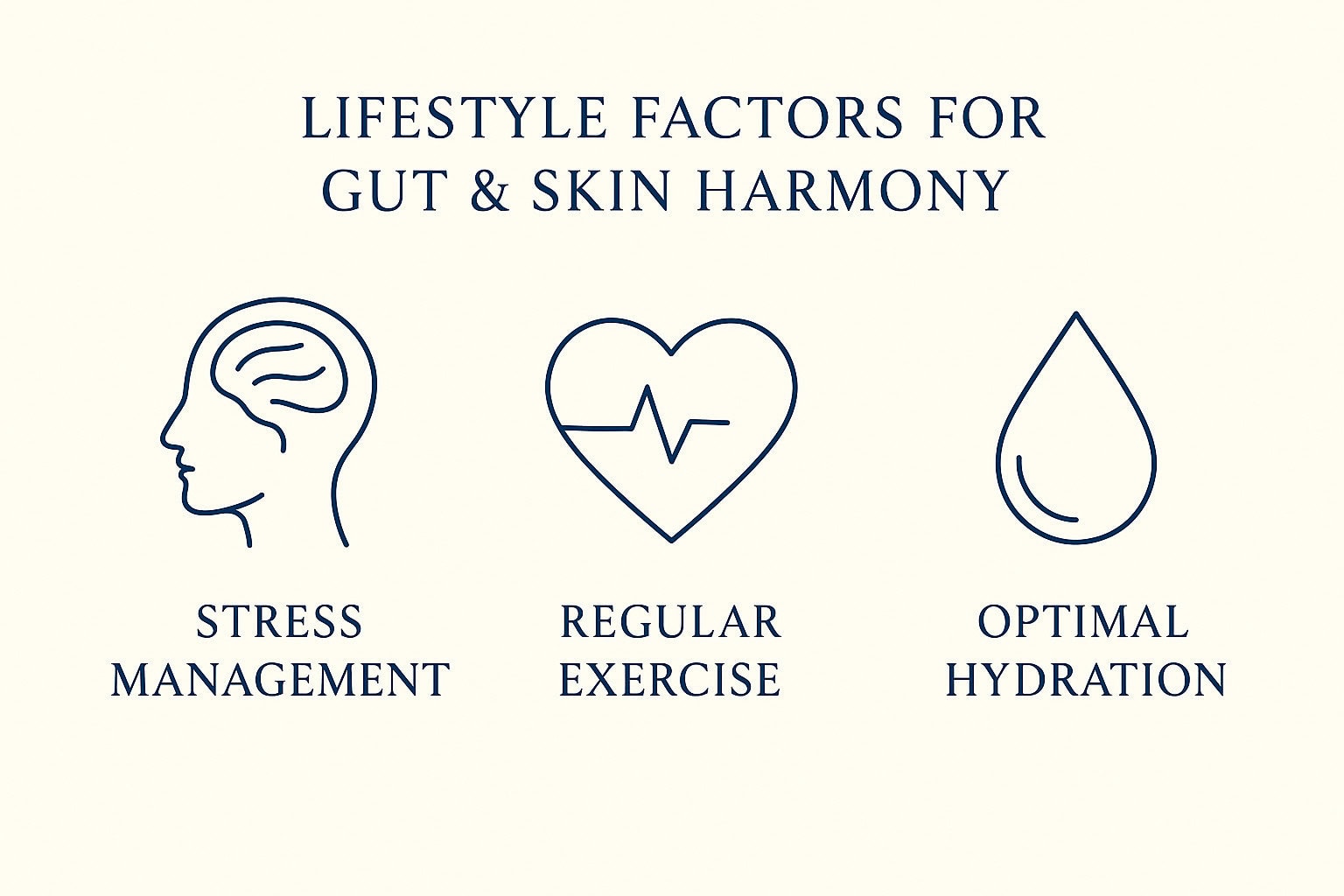
Nurturing your gut-skin axis isn’t just about what you eat; your lifestyle plays a significant role too. Here are few habits that can significantly boost your overall skin health and radiance.
Stress Management
Chronic stress disrupts the gut microbiome and fuels inflammatory skin conditions (Bowe & Logan, 2011). [Bowe & Logan, 2011]. Practices such as meditation, mindful breathing, or yoga can help restore calm internally and externally. Apps like Plum Village can be helpful.
Regular Exercise
Regular movement increases microbiome diversity and reduces systemic inflammation, contributing to skin vitality.
Hydration
Water supports digestion, nutrient transport, and barrier integrity. Adequate hydration is as crucial for the gut lining as it is for the skin’s stratum corneum.
Topical Skincare: Complementary, Not Primary
Topical products can reinforce skin defenses but cannot substitute for internal balance. Ingredients like ceramides, hyaluronic acid, and antioxidants help maintain barrier strength and hydration. Still, without gut equilibrium, their effects are limited.
True skin resilience is built from within, with topical care serving as a supportive layer.
Gut–Skin Axis: Key Takeaways for Radiant Skin
Your Gut Talks to Your Skin
A healthy gut microbiome regulates inflammation and immunity — major factors in common skin conditions like acne, eczema, and dullness.Dysbiosis = Inflammation
Poor diet, stress, or antibiotics can cause gut imbalance (‘dysbiosis’), leading to systemic inflammation that shows up on your skin.Probiotics + Prebiotics = Radiance
Specific strains like Lactobacillus casei and prebiotics from foods like garlic or bananas nourish your gut and help reduce skin flare-ups.Inside-Out Support > Topicals Alone
Lasting skin glow isn’t just about serums, it’s built from within. Gut diversity boosts collagen resilience, hydration, and barrier strength.
Viewing your gut health not just as essential for digestion, but as a cornerstone of your skincare approach, empowers you to cultivate radiance that truly shines from within.
FAQs
This varies greatly depending on the individual, the specific skin concerns, and the consistency of dietary and lifestyle changes. Some people notice improvements within a few weeks, while for others it might take several months of sustained effort. Patience and consistency are key.
Fermented foods like yogurt, kefir, kimchi, and sauerkraut are excellent natural sources of probiotics and can be very beneficial. Whether a supplement is needed depends on your individual diet, health status, and goals. Starting with incorporating diverse fermented foods is a great approach. If considering supplements, look for high-quality products with clinically researched strains. Most probiotics do not survive digestion, so doing your research is key.
There isn’t one single magic bullet, as a holistic approach works best. However, consistently reducing intake of highly processed foods and sugars while increasing fibre-rich whole foods (which feed beneficial bacteria) and effectively managing chronic stress are often two of the most impactful areas to focus on for improving both gut health and skin appearance.
While some topical products containing probiotic extracts or ferments show promise for supporting the skin surface microbiome, their efficacy can vary, and research is ongoing. Addressing gut health internally tackles a root cause of inflammation that topicals alone cannot reach. A holistic approach, combining internal gut support with appropriate skincare, is often most effective.
Leaky gut, more precisely described as increased intestinal permeability, refers to a compromised state of the intestinal wall in which the tight junctions between epithelial cells become less effective at selectively filtering what enters the bloodstream. Normally, the gut barrier allows nutrients and water to cross while excluding bacterial fragments, undigested food particles, and inflammatory compounds. When this barrier is weakened, through dysbiosis, low SCFA production, or chronic inflammation, these compounds can enter systemic circulation and trigger an immune response. In the skin, this manifests as inflammation, increased MMP activity, and accelerated collagen degradation. The critical point is that leaky gut is not a skin disease — it is a gut barrier dysfunction whose consequences include skin inflammation as one of several systemic effects
Short-chain fatty acids (SCFAs), primarily butyrate, propionate, and acetate , are produced when beneficial gut bacteria ferment dietary fibre. Their relevance to skin health operates through two distinct pathways. First, SCFAs are the primary fuel source for colonocytes, the cells lining the gut wall, and are critical for maintaining tight junction protein expression, claudin, occludin, and ZO-1, that keep the gut barrier intact. When SCFA production is low, barrier integrity weakens, increasing the permeability that allows pro-inflammatory compounds to enter circulation. Second, butyrate specifically has demonstrated anti-inflammatory properties systemically, helping to regulate the immune signals that drive the MMP-mediated collagen degradation described in this article. Dietary fibre — at least 30g daily — is the primary substrate for SCFA production.